...and we're feeling invigorated and united. |
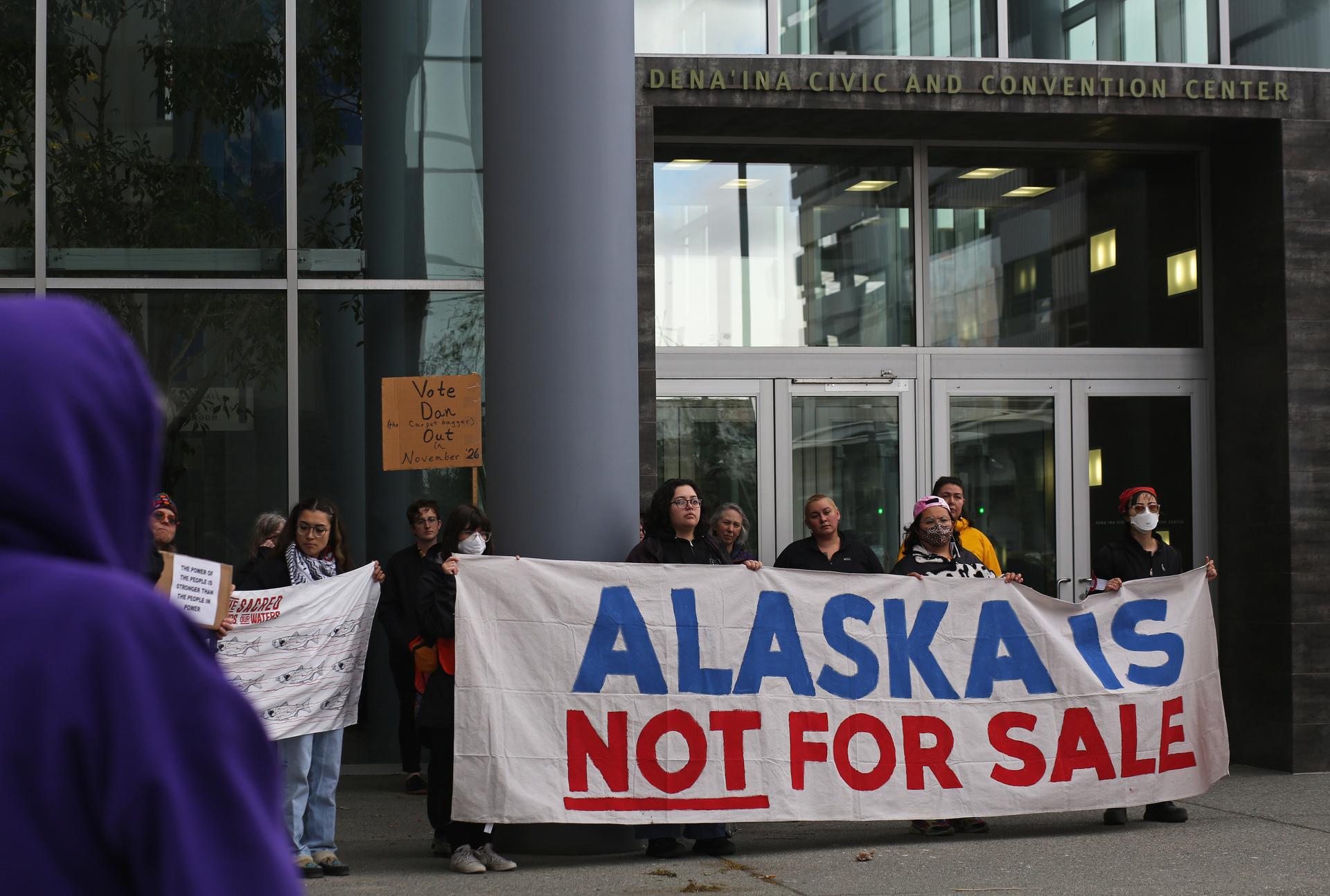
People gather at the Dena'ina Center in Anchorage to oppose Governor Mike Dunleavy's Alaska Sustainable Energy Conference. Photo by Emily Mesner for Northern Center |
The Northern Center joined community members and advocates from across the state this week to stand with Indigenous leaders as they protested the Trump administration's prioritization of oil and gas drilling and mining. We feel energized to have witnessed such a powerful display of resistance and hope you can feel the momentum of this movement too! Continue reading for important comment period deadlines, plus opportunities for in-person participation as summer kicks into full gear. - Emily Mesner (mesner@northern.org) Communications Coordinator
|
Comments needed as Trump administration moves to overturn Western Arctic protections |
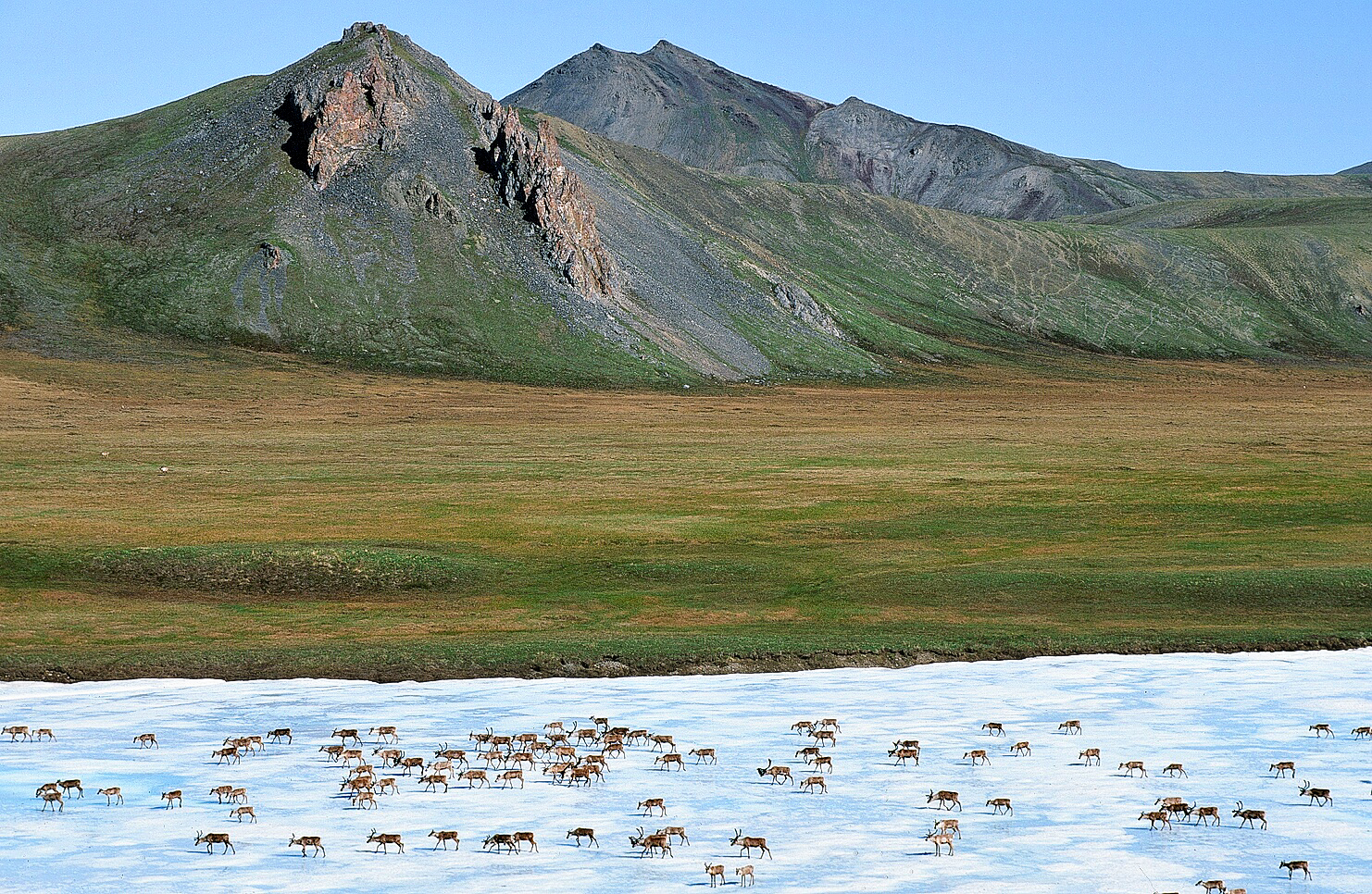
On Monday, Secretary of the Interior Doug Burgum announced plans to revoke protections for the Western Arctic’s National Petroleum Reserve-Alaska, once again prioritizing oil and gas industry interests.
President Biden’s 2024 Reserve rule was shaped by sound science and a robust public process—more than 250,000 people commented overwhelmingly in favor of new protections. The new rule also set up a process to consider new or expanded Special Areas, like the Indigenous-led proposal for a Nuiqsut Subsistence Use Special Area.
Now, the Trump administration’s decision to rescind these new safeguards for the Reserve’s five Special Areas could have devastating impacts for community subsistence access and critical habitat for fish, caribou, and millions of migratory birds.
Learn more about what revoking Special Area protections means from the leaders of Sovereign Iñupiat for a Living Arctic and Grandmothers Growing Goodness. |
Alaskans' message to Gov. Dunleavy: Our state is not for sale |
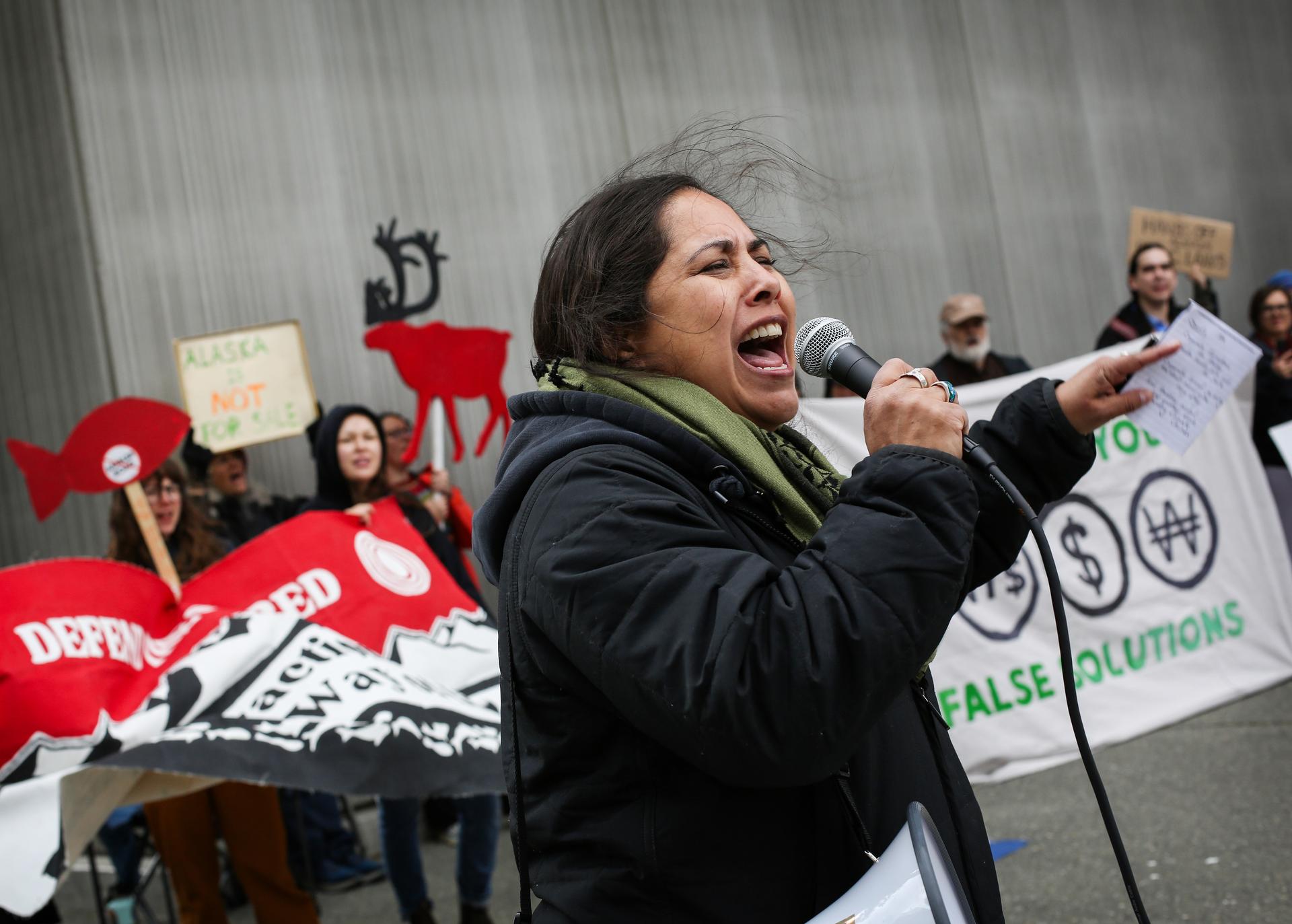
Enei Begaye, Native Movement's executive director, leads a chant at the rally in Anchorage this week. Photo by Emily Mesner for Northern Center |
Organizations and Alaskans from across the state gathered on Monday and Tuesday to tell government officials that our lands are not for sale!
The rally was hosted in downtown Anchorage in tandem with Governor Dunleavy's Alaska "Sustainable" Energy Conference, a gathering with key members of the Trump administration that continued to cheerlead for fossil fuels over renewable energy.
Read more about this event and the so-called Sustainable Energy Conference here. |
Memories in motion—why we run for the Refuge |
Our annual event supporting Arctic advocacy, Run for the Refuge, is just around the corner! As this event approaches thirty years, we are eager to know more about its original supporters—what is it about the Arctic National Wildlife Refuge that continues to draw you in and what stories do you have? “It’s a special place for me and I’m so against drilling there,” said longtime participant Sherry Lewis. “This event brings the Refuge to mind to everybody, especially with what’s going on now. It’s so important.”
Today, industrial development and fossil fuel extraction—vigorously pushed by the Trump administration—pose growing threats to the Arctic Refuge and other Northern ecosystems that are at the forefront of climate change. Your participation in Run for the Refuge helps address these issues and calls attention to the work still needed to conserve Alaska’s landscapes for future generations.
|
Offshore oil and gas program comments due soon |
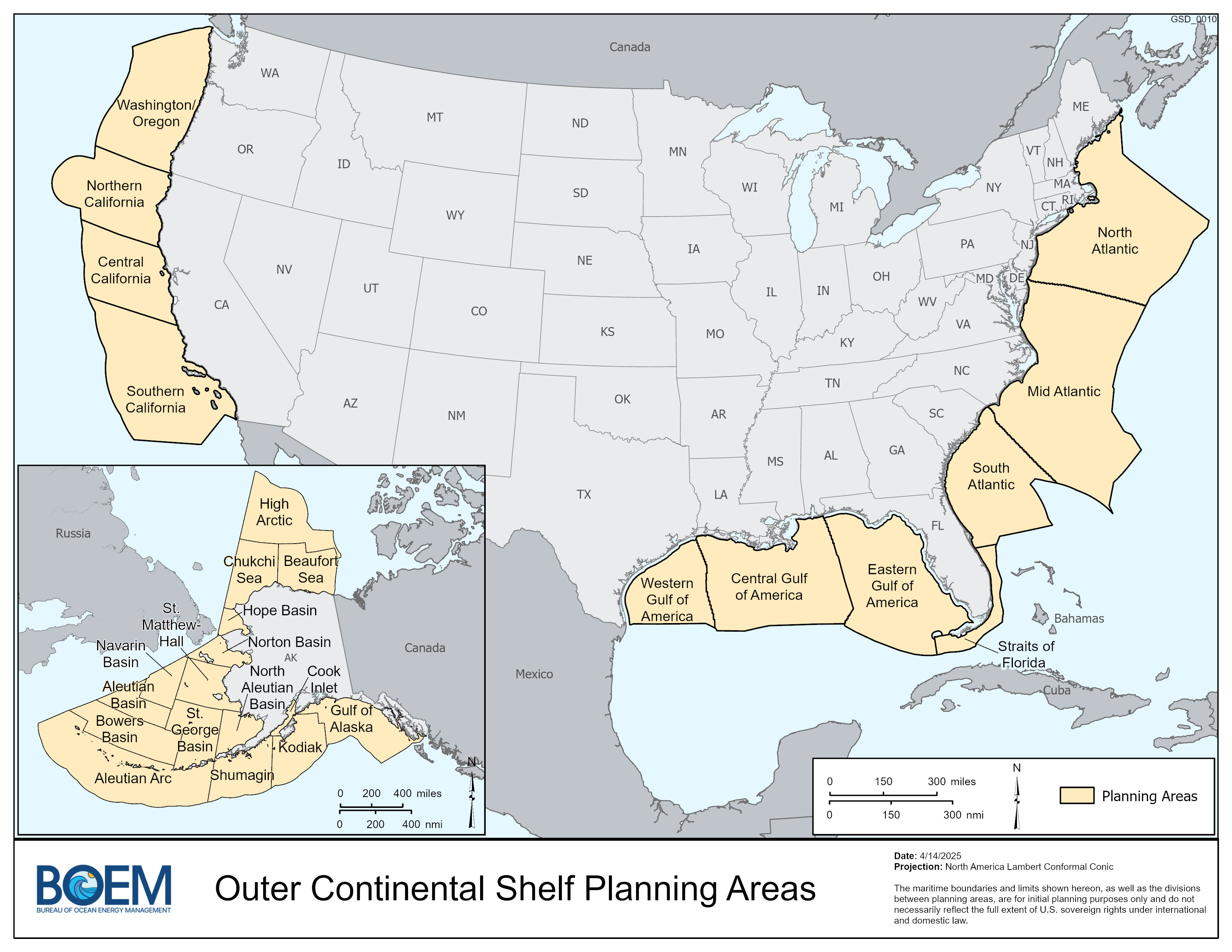
Screenshot of BOEM's Outer Continental Shelf Planning Areas. |
The Bureau of Ocean Energy Management (BOEM) is requesting public input on a nationwide offshore oil and gas lease planning process, which includes a new area north of the Chukchi and Beaufort Seas.
Learn more here about the Biden administration’s recent protections for millions of acres of the North Bering Sea, and BOEM’s planning process and past offshore failures in Arctic waters.
For the first step in the process, you have until June 16 to tell BOEM that any offshore drilling in Alaska is too risky, and would harm crucial ecosystems and community health.
|
Nome high schooler creates petition opposing Graphite One Mine |
A Nome-Beltz high school student, Alora Stasenko, conducted a research project on the proposed Graphite One Mine, located 37 miles from Nome in the Kigluaik Mountains on the shores of the Imuruk Basin. Alora created a petition for community members to sign that demands action from state lawmakers, including Governor Mike Dunleavy, and Nome's state representatives Senator Lyman Hoffman and Representative Neal Foster.
This petition requests community members and decision makers to stand up against the proposed mine, which would have irreversible impacts on the region’s land, water, Indigenous and local culture, and subsistence resources—especially the fish and moose that locals hunt throughout the area where the mine is proposed. The goal of the petition is to halt the proposed Graphite One project and turn it into Graphite NONE.
|
Support Yukon River communities and their salmon |
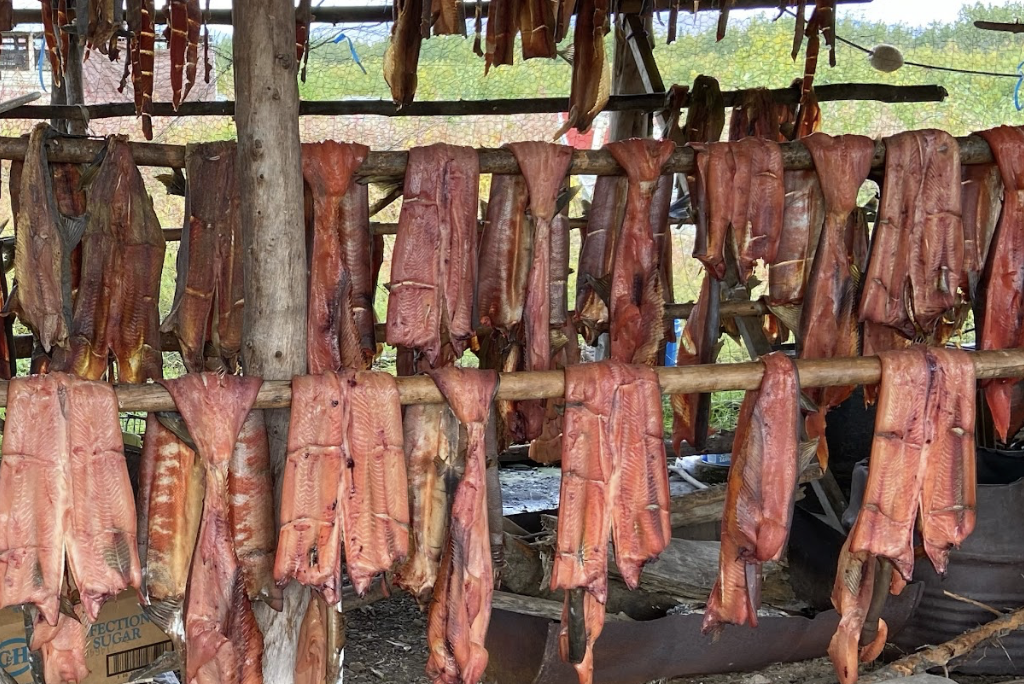
Tanana Chiefs Conference is organizing a day of peaceful protest June 20 to draw attention to the challenges of Yukon River salmon survival and rally to support the communities who have depended on them since time immemorial.
Current state and federal management policies have failed the people and fish of the Yukon River—disasters were declared from 2020-2022, and multi-year closures to subsistence fishing have contributed to cultural loss, and physical and nutritional hardships.
The Day of Peaceful Protest for the Survival of the Yukon River Salmon will draw awareness to this critical issue and unite Alaskans in the cause of saving salmon and preserving Indigenous ways of life, culture, and physical survival.
Join Native Movement in Fairbanks on Friday, June 13 at 7 p.m. and/or Saturday, June 14 from 12-4 p.m. at the Dena’ Movement Commons (526 Gaffney Road, Suite 200) to create beautiful art that honors salmon and demands action for the fish and people of the Yukon! |
The Wilderness Society releases report on Western Arctic significance
|
Last month, The Wilderness Society released a detailed science report providing technical information on the ecological and cultural importance of the National Petroleum Reserve–Alaska. Also known as the Western Arctic, this is the nation's largest tract of wild public land at 23 million acres. Some of the highlights in the report include that: - Integrating Indigenous Knowledge into land-management practices is vital for respecting the traditional Iñupiat lifeways and ensuring a sustainable future.
- Caribou are the most abundant large land mammal in the Arctic, but they have experienced sharp global declines across most of their range, raising concerns about their future.
-
The United States’ entire yellow-billed loon breeding population is found only in Alaska, primarily in the Teshekpuk Lake Special Area and surrounding areas within the Western Arctic.
|
-
This article from Inside Climate News explores how climate disaster survivors are organizing across the country to turn loss into action.
-
Curious how climate reporting been affected by the new administration? Check out this Q&A on climate journalism with reporter Kiley Bense and the Columbia Journalism Review.
The Donlin Gold Mine doesn't make sense—hear from Alaska Native tribal leaders as they explain how the massive gold mine proposed in Southwest Alaska poses grave risks to villages, food security, and traditions.
|
Are you interested in becoming a citizen scientist? |
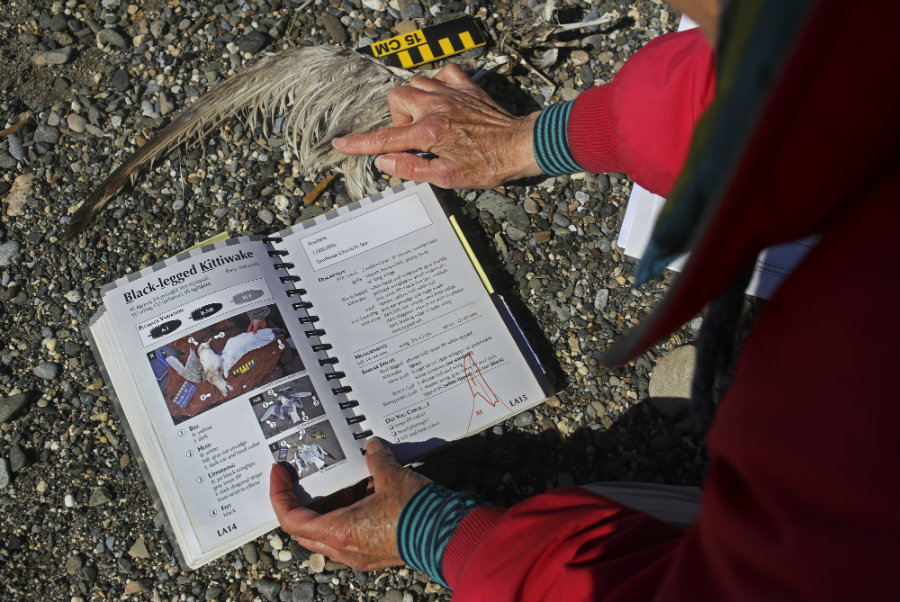
COASST volunteer Randy Meyers records information from the wing of a deceased immature black-legged kittiwake she found on a beach in Kotzebue in 2016. NPS Photo by Emily Mesner |
The Coastal Observation and Seabird Survey (COASST) will be hosting beached bird trainings on the Kenai Peninsula throughout the month of June.
June 12 (Seward): 9 a.m. to 2 p.m. at the Alaska SeaLife Center June 13 (Soldotna): 4 to 8 p.m. at the Soldotna Library June 14 (Homer): 9 a.m. to 1p.m. at the Center for Alaskan Coastal Studies
COASST participants collect monthly data on beached carcasses of marine birds to establish the pattern of bird mortality on North Pacific beaches. Data collected helps address important marine conservation issues. No prior scientific experience is needed. You can RSVP at coasst@uw.edu. |
|
|
Bad news have you feeling down in the dumps? Check out this fun read! |
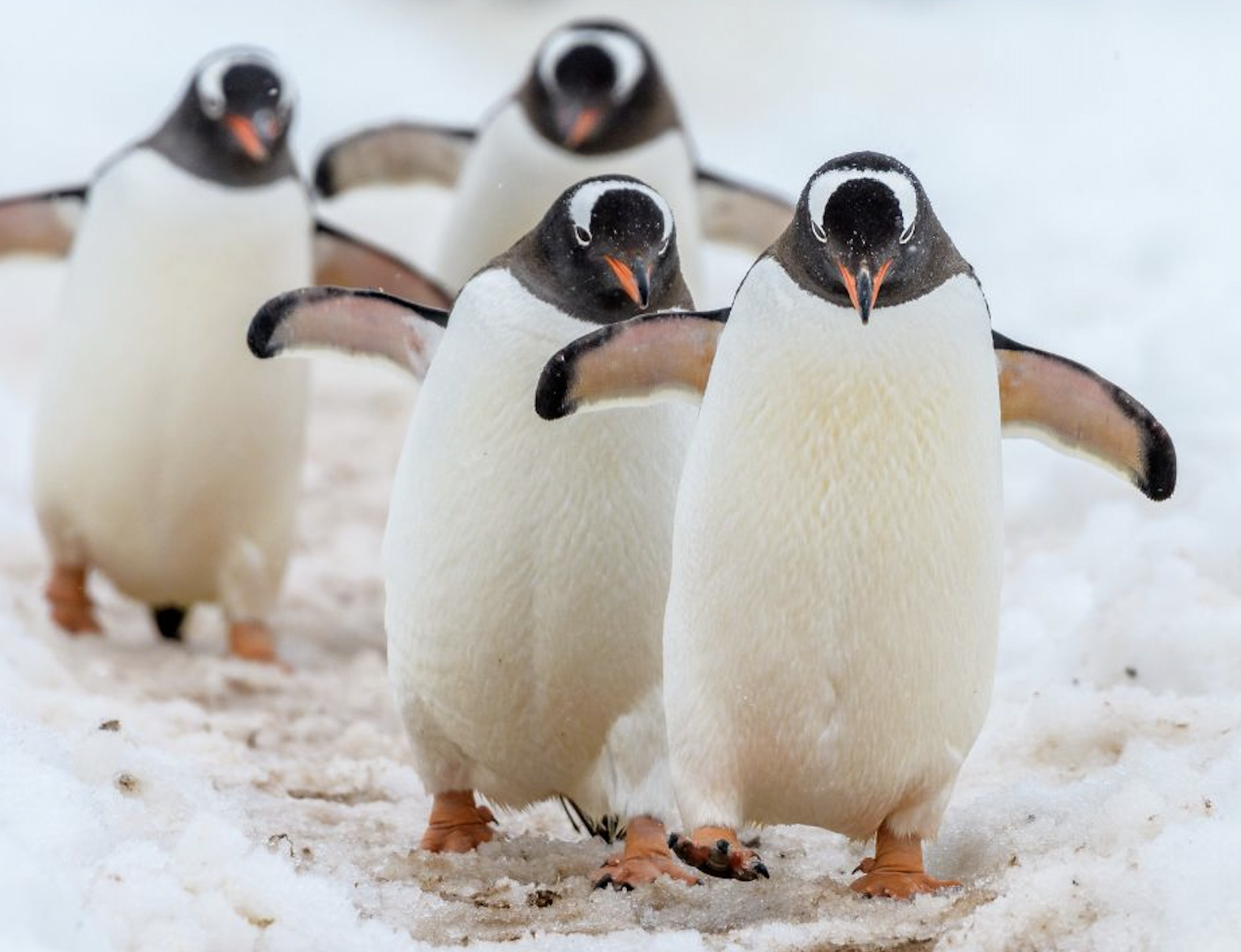
Penguin poop may help preserve Antarctic climate
In this article from Inside Climate News, read more about how ammonia aerosols from penguin poop may help in the formation of heat-shielding clouds around the frozen continent. "The findings reinforce the growing awareness that Earth’s intricate web of life plays a significant role in shaping the planetary climate," writes author Bob Berwyn. |
Support the Alaska Community Action on Toxics by seeing Plastic People in Anchorage at 6 p.m. on June 16. This screening, at the Bear Tooth Theatrepub, is a fundraiser and a portion of ticket sales will support ACAT’s efforts to secure a strong international plastics treaty that protects the climate and our health. This is an urgent need and one of ACAT’s highest priorities. -
The Alaska Youth for Environmental Action Youth Organizer Summit brings together Alaskan teens from across the state to practice grassroots organizing and learn how to take action on issues you care about. You can nominate a teen for this year's summit here. The deadline is June 25.
Toolik Field Station celebrates 50 years: Get an up-close look at the world's largest Arctic research station June 6 from 9:30 a.m. to 4 p.m. during their Visitor's Day. Learn more about their event here. -
Susan Grace and Friends of Creamer's Field are excited to announce the Karen Toland Camp Habitat Scholarship Fund, a new opportunity to support scholarships for participants of Camp Habitat. Donations can be sent to Friends of Creamer’s Field (P.O Box 81065, Fairbanks, Alaska 99708). Please note: Check memo must say "Camp Habitat Karen Toland Scholarship Fund".
Don't miss out on more of the Northern Center's upcoming events!
|
|
|
MISSION The Northern Alaska Environmental Center promotes conservation of the environment and sustainable resource stewardship in Interior and Arctic Alaska through education and advocacy. |
|
|
Our Contact Information
*{{Organization Name}}* *{{Organization Address}}* *{{Organization Phone}}* *{{Organization Website}}* *{{Unsubscribe}}* |
|
|
|