Let's take some time to celebrate |
We are thrilled to share with you that both the Ambler Road and the Western Arctic’s National Petroleum Reserve-Alaska have been removed from budget reconciliation. Thank you to everyone who contacted representatives and committee members, fearlessly advocating against the Ambler Road. Additionally, the unwavering efforts of Indigenous leadership and the Defend Brooks Range/No Ambler Road campaign have shown time and time again that Alaskans (and Americans at large) do NOT want the Ambler Road. And a big thank you to everyone who has spoken up for the Western Arctic’s Special Areas—nearly 300,000 people commented in 2023 and 2024 while the Biden administration worked to establish new protections for the region.
- Emily Mesner (mesner@northern.org)
Communications Coordinator |
Here's a closer look at the good news from budget reconciliation |
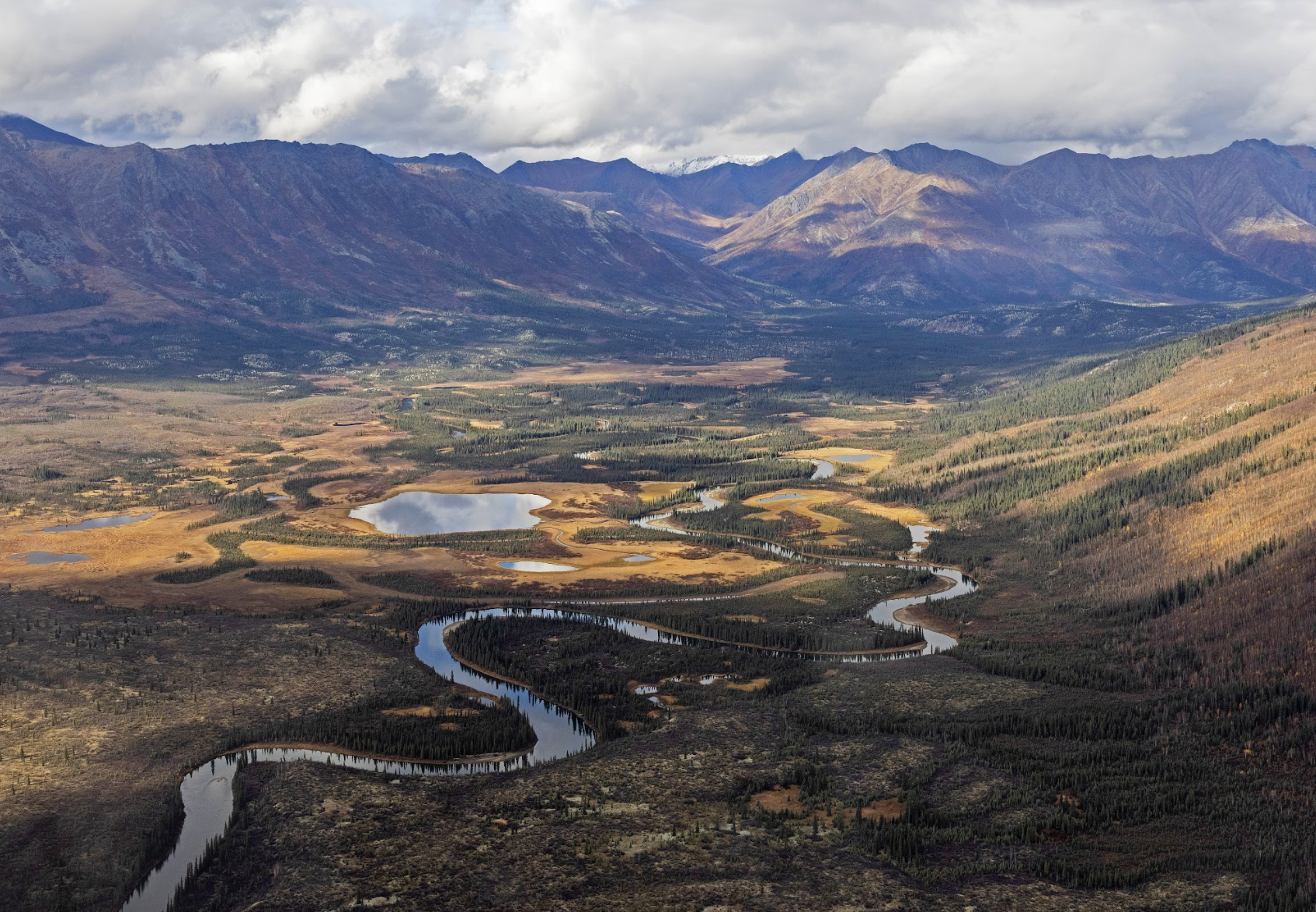
Aerial view of part of the proposed Ambler Road corridor, in the eastern Brooks Range. Photo by Keri Oberly |
Republicans in the House narrowly passed their budget reconciliation bill yesterday, and there are a couple of bright spots. Requirements for oil and gas leases in the Western Arctic’s National Petroleum Reserve-Alaska and permitting for the proposed Ambler Road were both removed from the bill.
Public land giveaways in the Lower 48 were also taken out, but unfortunately the House budget package is still filled with terrible provisions too, like mandates for harmful oil and gas leasing in the Arctic National Wildlife Refuge.
It’s also important not to lose track of the Trump administration’s planned cuts and new requirements for social programs that thousands of Alaskans rely on, like SNAP food benefits and Medicaid. Proposed cuts to these essential services are once again largely to pay for tax cuts for corporations and the ultra-wealthy.
Call your representatives with straightforward talking points about protecting public lands and the Arctic National Wildlife Refuge with 5 Calls, and sign on to protect the Arctic. |
Lawsuit aims to protect belugas and more |
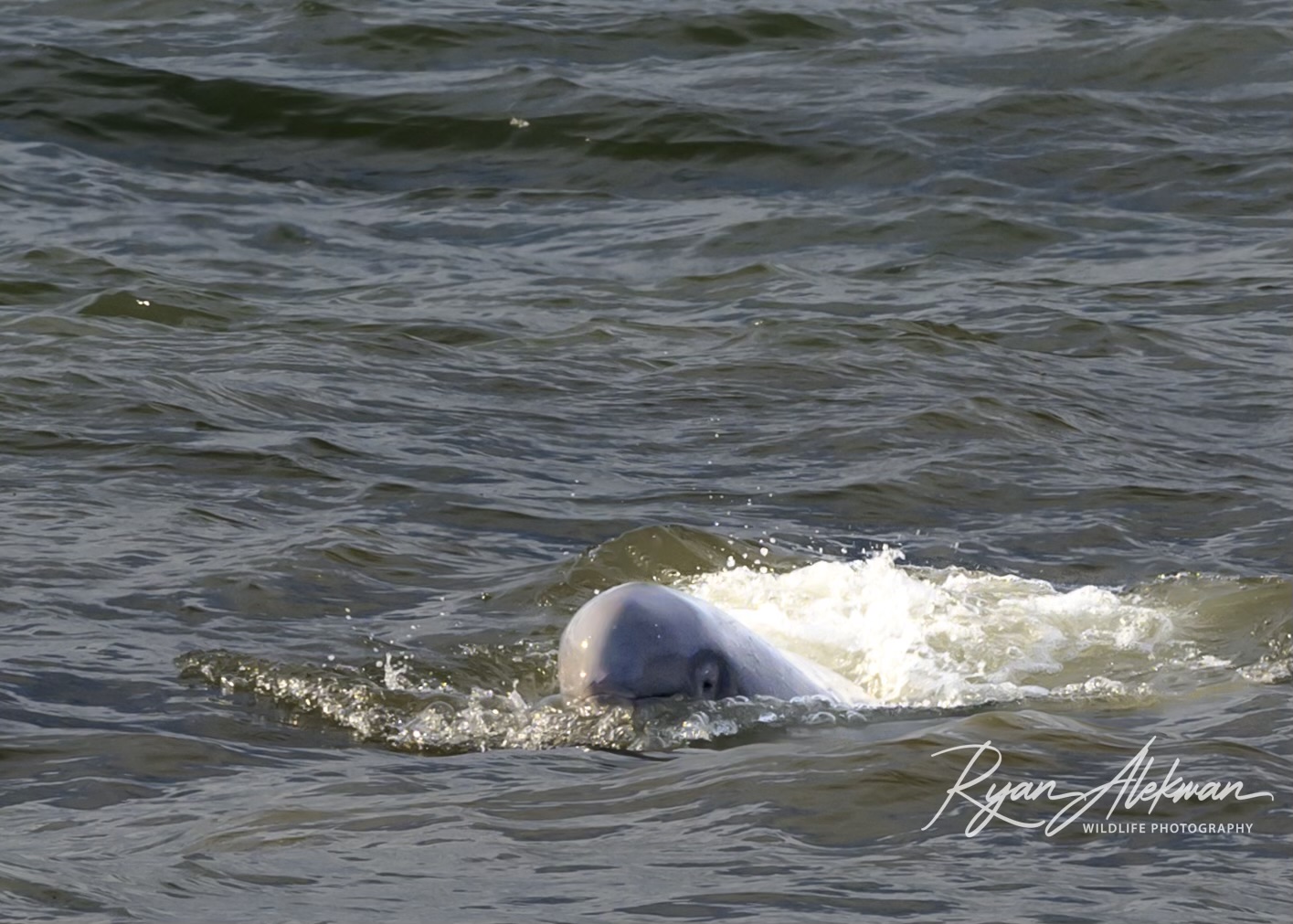
Photo of a beluga whale by Ryan Alekman. |
The Center for Biological Diversity, Cook Inletkeeper, Chickaloon Village Traditional Council, and AM Mueller have filed a lawsuit against the U.S. Army Corps of Engineers for approving a 404 permit for the Johnson Tract mining exploration project.
This project is situated in Lake Clark National Park, near Cook Inlet, and is operated by Contango ORE, the mining company with 30% ownership of the Manh Choh ore haul project. The company aims to utilize a similar ore hauling strategy, where mined ore is transported to a processing facility elsewhere, instead of building one on-site. Contango ORE plans to build a haul road and a port that would allow them to barge the gold ore to an undisclosed processing site following their current drilling project.
Here's the bottom line: The U.S. Army Corps did not adequately address potential acid mine drainage and industrial activity in and around a national park, the headwaters of the Johnson River, and Tuxedni Bay, which is a critical habitat for the endangered Cook Inlet beluga whale. Read this press release for more information. |
Behind the scenes with Tehya McLeod |
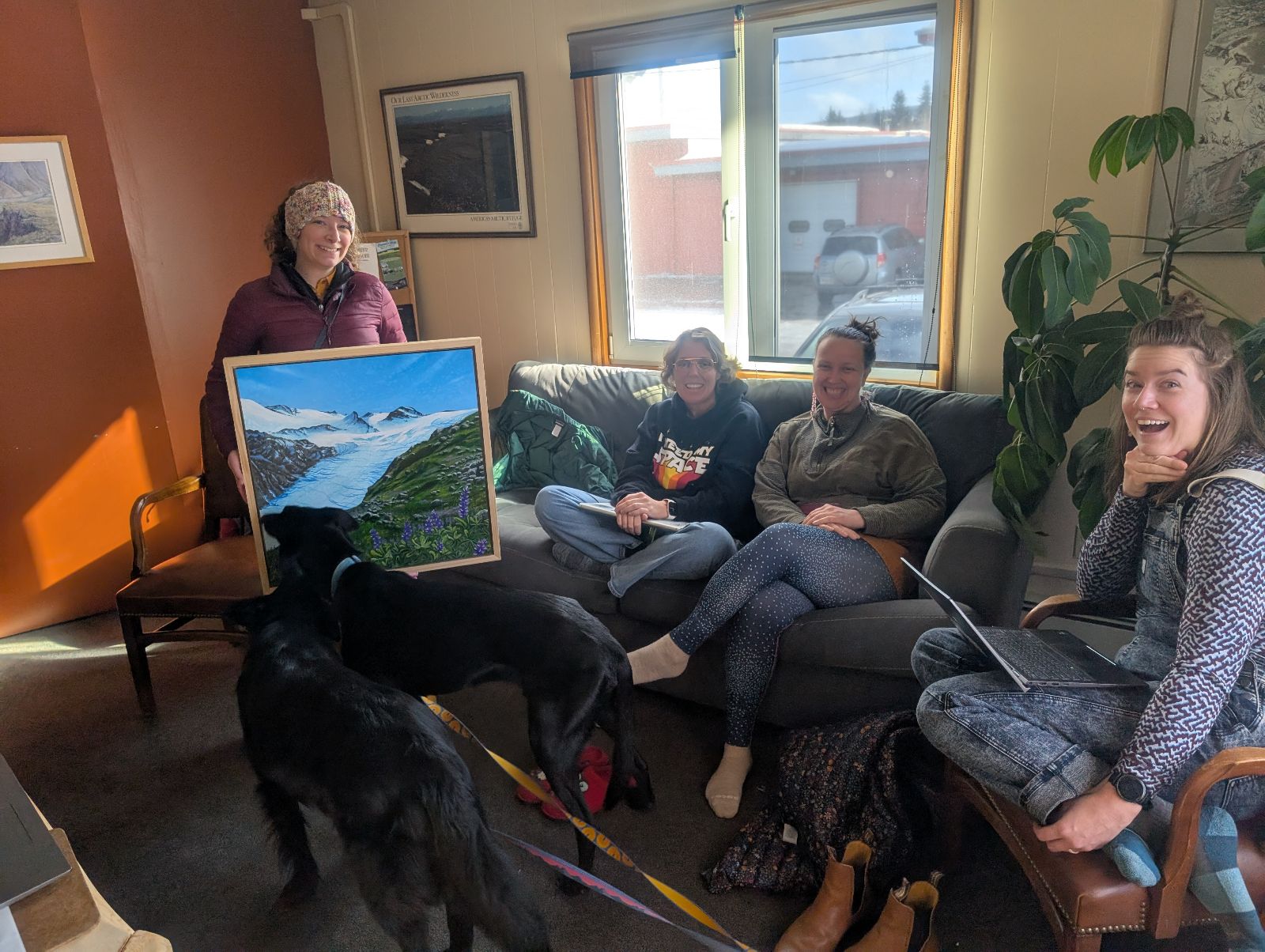
Tehya drops off her finished artwork at the Northern Center office in Fairbanks. Photo by Christin Swearingen |
On difficult days, where progress feels like keeping your head above water, I find myself looking at Tehya McLeod’s featured art. My eyes trace the marmot tracks that Tehya intricately screen printed beneath her painting. And then my gaze catches the crispy blue ice of Exit Glacier and its jagged mountain peaks. |
A detail of the screen print underlay. Photo by Sarah Lewis Photography |
We recently caught up with Tehya and learned more about her artistic process used to create "Linger in the Lupines". For the featured art, she was eager to incorporate printmaking, using designs similar to quilting. It’s through her use of screen printing and bold colors that Tehya’s artwork becomes energized, layered, and three dimensional—it helps remind us that nature is constantly providing a necessary heartbeat that guides our rhythms here in the North. |
Chilkat Valley wins against mining project |
The Chilkat Valley got a recent win as American Pacific, the Canadian company working to develop the Palmer Project in the headwaters of the Chilkat Watershed, announced that they are selling the project. There will be no drilling program this summer.
The company alluded to the difficulty of “local dynamics” as a challenge to the project’s development, showing that Indigenous leadership and continuous public engagement and resistance CAN change the fate of proposed mining projects. Even in our current political climate, where projects are being fast-tracked left and right, local people's power remains strong.
While the future of the project is unknown, communities will continue to stand against potential buyers and demonstrate that the Chilkat Watershed is no place for this mine. Read the KHNS news story here. |
Local Fairbanks opportunities this month |
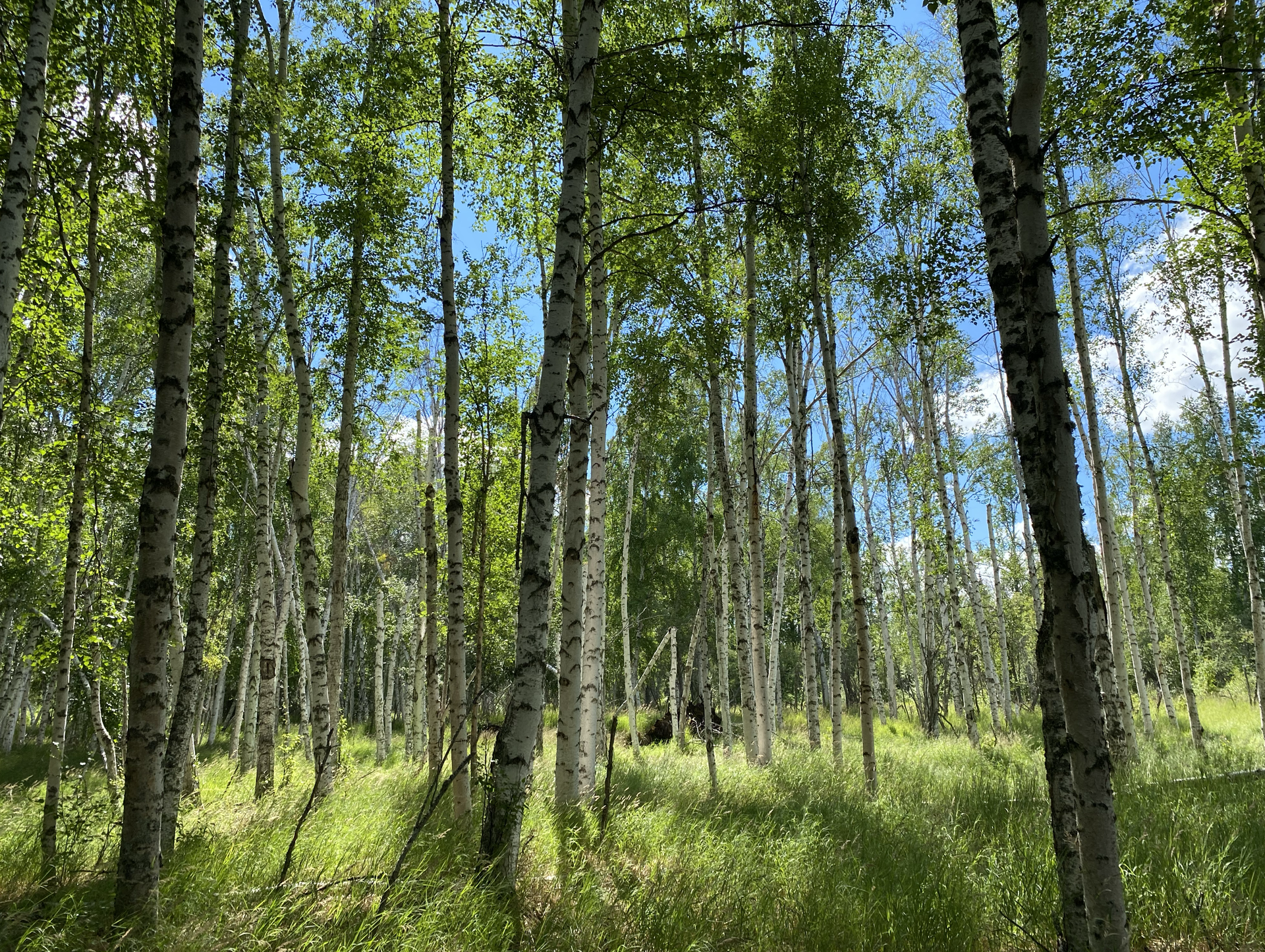
Birch trees in Creamer's Field Migratory Waterfowl Refuge. Photo by Emily Hikes |
Final reminder: Felix Gold hosting May conversations
Felix Gold will be hosting open hours at the Noel Wien Library from 12-3 p.m. next Friday, May 30. This is your last chance to speak with their community outreach liaison, share your thoughts and concerns, and fill out the community project survey in person. For more information, reach out to joy@uqaqti.com.
|
Meeting next week on the proposed Tanana Valley Forest expansion
At the beginning of May, Alaska Governor Mike Dunleavy introduced legislation (House Bill 218 and Senate Bill 188) to expand the Tanana Valley Forest. Both bills were in their respective State Affairs Committees at the end of the legislative session.
Per the Division of Forestry (DOF), the proposal to designate additional lands as State Forest will enable management of the land by DOF, who will focus on timber management.
To learn more about the proposed expansion of the Tanana Valley Forest, click here. The Division of Forestry will also host a virtual public meeting on Wednesday, May 28 at 6:00 p.m. via Microsoft Teams. This session will review the proposed expansion and be an opportunity to ask questions.
If you are unable to attend this listening session, you can email comments or questions to stateforests@alaska.gov. |
Are you interested in having your everyday items tested for common toxics? |
Our friends at the Alaska Community Action on Toxics (ACAT) are working on a consumer goods project to detect harmful elements in everyday products to help Alaskans identify contaminants and find safer alternatives. You can have them text common household items for free to explore how widespread these contaminants are and discuss ways to prevent exposure.
Please reach out to ACAT's community science coordinator (dylan.j@akaction.org) to drop off your item with a note including your contact info at the ACAT offices in Anchorage (1225 E. International Airport Rd., Suite 220) during the month of May. |
|
|
Here are the stories we loved this week |
Ancient poetry unveils hidden history of critically endangered finless porpoises, scientists say From Marlowe Starling for CNN: "A research team in China got creative in its efforts to save a critically endangered species by turning to ancient poems. The scientists pored over more than 700 ancient Chinese poems from the Tang through the Qing dynasties that mention the Yangtze finless porpoise to find out where and when poets described seeing the animal because little is known about its population history."
|
An astronaut’s awe-inspiring views from life in space
Check out these remarkable images from CNN taken by NASA astronaut Don Pettit during his most recent trip to space. “One of the things I like to do with my astrophotography is to have a composition and a perspective that’s different than an Earth-centric one...,” said Pettit, who is quoted in this article from an interview with astrophysicist Neil deGrasse Tyson. |
Support the Alaska Community Action on Toxics by seeing Plastic People in Anchorage at 6 p.m. on June 16. This screening, at the Bear Tooth Theatrepub, is a fundraiser and a portion of ticket sales will support ACAT’s efforts to secure a strong international plastics treaty that protects the climate and our health. This is an urgent need and one of ACAT’s highest priorities. -
The Alaska Youth for Environmental Action Youth Organizer Summit brings together Alaskan teens from across the state to practice grassroots organizing and learn how to take action on issues you care about. You can nominate a teen for this year's summit here. The deadline is June 25.
Toolik Field Station celebrates 50 years: Get an up-close look at the world's largest Arctic research station June 6 from 9:30 a.m. to 4 p.m. during their Visitor's Day. Learn more about their event here, including free tour schedules, travel information, and lunch options. The Gwich'in Steering Committee is now on Instagram—give them a follow to stay informed.
The Fairbanks Climate Action Coalition is hiring an Energy Democracy Organizer. This position focuses on the local utility cooperative and statewide efforts to support a just transition to a democratized, decarbonized, and equitable energy system future. You can find the full position description here. -
Susan Grace and Friends of Creamer's Field are excited to announce the Karen Toland Camp Habitat Scholarship Fund, a new opportunity to support scholarships for participants of Camp Habitat, a nature education and ecology camp for children ages 4-11. Donations can be sent to Friends of Creamer’s Field (P.O Box 81065, Fairbanks, Alaska 99708). Please note: Check memo must say "Camp Habitat Karen Toland Scholarship Fund".
Don't miss out on the Northern Center's upcoming events!
|
|
|
MISSION The Northern Alaska Environmental Center promotes conservation of the environment and sustainable resource stewardship in Interior and Arctic Alaska through education and advocacy. |
|
|
Our Contact Information
*{{Organization Name}}* *{{Organization Address}}* *{{Organization Phone}}* *{{Organization Website}}* *{{Unsubscribe}}* |
|
|
|