...including news from D.C. and ways you can take action for Alaska |
We won’t sugarcoat it—this week’s environmental news was more troubling than anticipated. As it stands, the proposed legislation in budget reconciliation could have serious consequences for Alaska, potentially expanding oil and gas development and advancing the controversial Ambler Mining Road. We’ve shared a more detailed response below and our team continues to push forward while closely monitoring the fast-moving developments coming out of Washington, D.C. We remain committed to standing up for the North and we're grateful to be in solidarity with you, fighting this with all we've got.
- Emily Mesner (mesner@northern.org)
Communications Coordinator |
Budget reconciliation could take a huge toll on Alaska |
The legislative whirlwind of budget reconciliation could be a disaster for Alaska as Republicans on the House Natural Resources Committee have laid out extremely destructive proposals. Although not yet finalized, some of the potentially harmful policies include permitting of the Ambler Mining Road and mandating new oil and gas lease sales in the Arctic National Wildlife Refuge. On paper, this process is all about balancing the budget and addressing government revenue, spending, and taxes. But in practice, budget reconciliation becomes a tool for the party in power to pursue a wide-range of political priorities. This proposed legislation would try to radically undermine federal environmental oversight, turning it into a pay-to-play model and is an attack on long-standing precedent for agency and judicial review.
As the last failed Arctic leases show, these policies are not actually about raising federal revenue. That means that based on Senate rules, they shouldn’t be included in budget reconciliation.
Now is the time to tell the Alaska delegation these proposed policies are bad business, bad for the environment, and bad for Alaskans.
|
A bright spot in D.C. during these dark times |
Legislation aimed at permanently protecting the coastal plain of the Arctic National Wildlife Refuge against destructive oil and gas development has been reintroduced with more than 100 cosponsors.
Known as the Arctic Refuge Protection Act, this bipartisan bill sends a strong message to the Trump administration as they revoke essential environmental regulations, and illustrates widespread support for protecting the Arctic Refuge, known as Iizhik Gwats’an Gwandaii Goodlit, or ‘the Sacred Place Where Life Begins’ by the Gwich’in.
At the two mandated oil lease sales, there was zero interest from the oil industry. With the state-funded Alaska Industrial Development and Export Authority being the only bidder, the lease sales brought Alaska and the federal government less than one percent from industry advocates' estimates.
The Northern Center stands with the Indigenous leaders and members of the Gwich’in Steering Committee who were in D.C. last week advocating for permanent protections for this region. Tell your representatives to support this federal legislation and defend the Arctic! |
One thousand gallons of diesel spills at Yukon River landing |
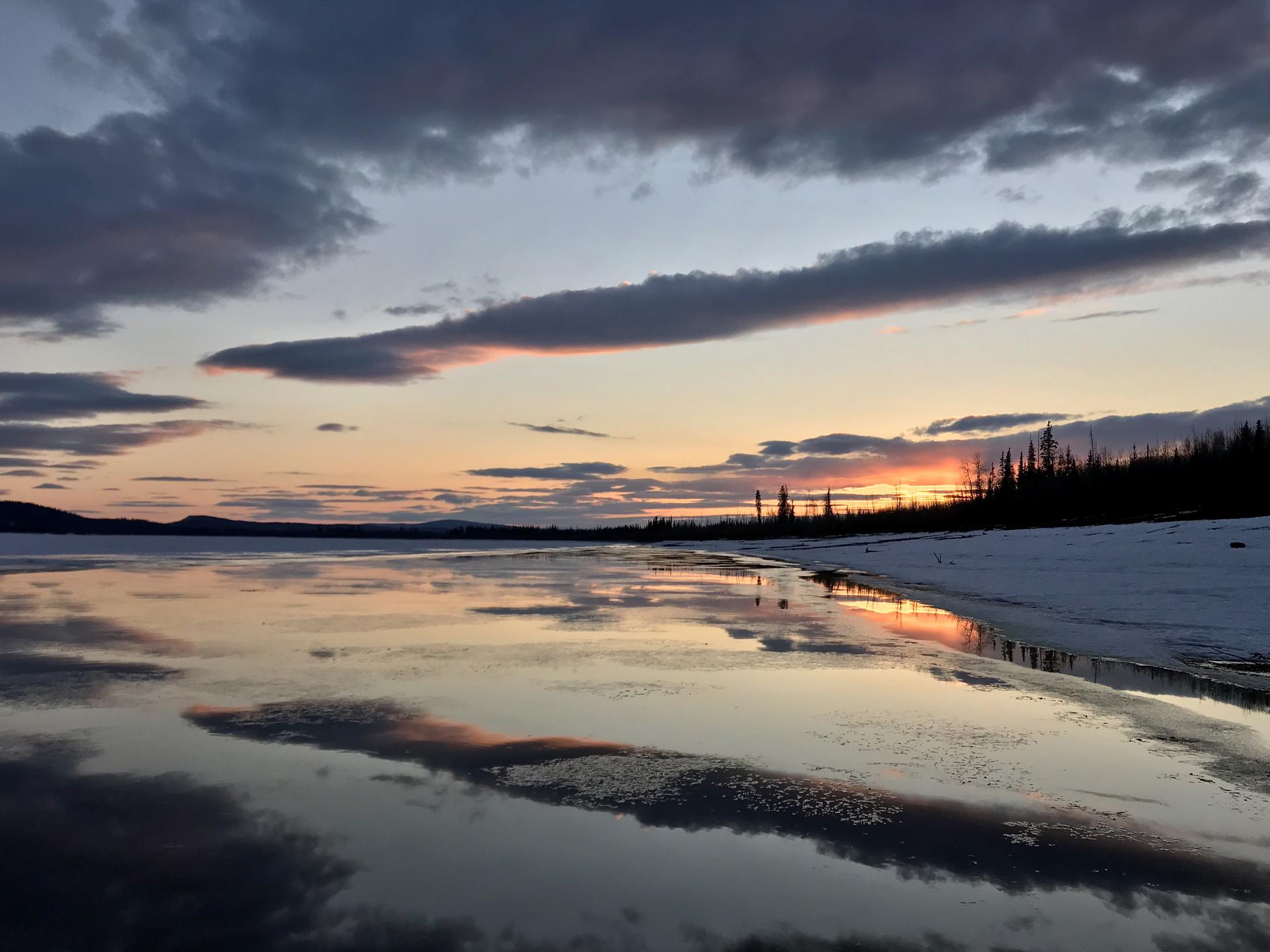
The Yukon River. Photo by Emily Hikes |
A fuel truck spilled over 1000 gallons of diesel at a parking area next to the barge landing at Yukon River Camp on April 6. The truck belonged to Brice Inc., a contractor who is providing support for the Hilcorp’s Yukon Flats exploratory oil drilling operation—a project starting this summer along a tributary to the Yukon River. The drilling sites are on land owned by Doyon, Limited, the regional Alaska Native corporation for the Interior and the village of Birch Creek.
Hilcorp has been operating in Alaska for less than 15 years and already has a troubled track record of environmental violations, oil and gas leaks, and disregard for regulations.
This diesel fuel spill comes as community members who oppose Hilcorp’s drilling continue to raise concerns about the oil development. In March of this year, the Tanana Chiefs Conference passed a resolution opposing oil extraction in the Yukon Flats, and 42 tribes in the Interior have standing resolutions against oil drilling in the region.
|
Our Manager of Donor Joy is saying goodbye, for now |
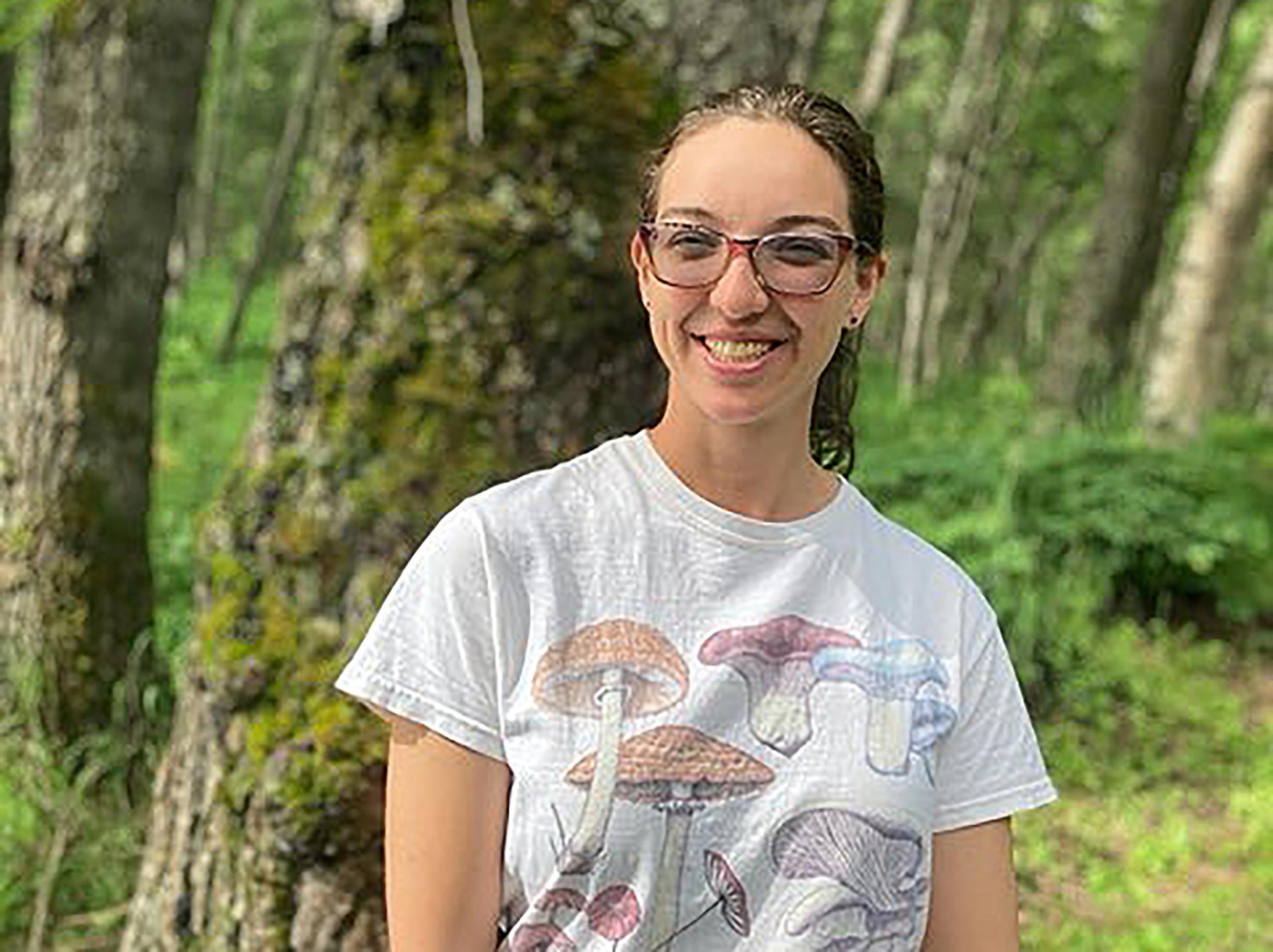
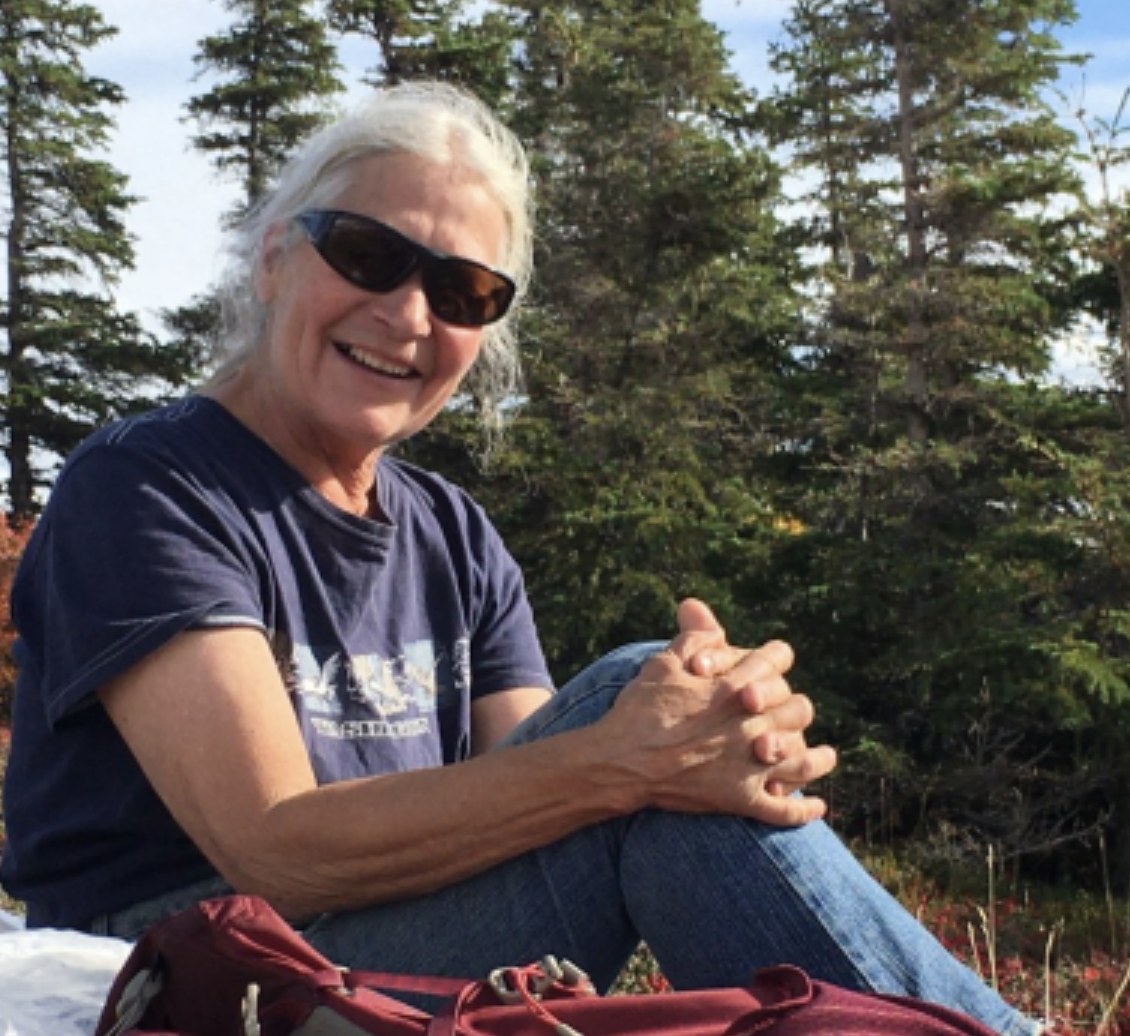
Photo of Christin Swearingen by Sophie Chapman |
Transitions are challenging but necessary—changing from one condition to another, like melting ice or migrating north.
From my research background in mycology, to Manager of Donor Joy at the Northern Center, I have grown so much and feel ready for the next step in my career. I’ve accepted a position at Trustees for Alaska as their Development Director. I know the wonderful staff at the Northern Center I leave behind will continue sharing the joy of what they do—conservation of lands, waters, wildlife, and the communities that depend on them—with you wonderful supporters!
And as new board members and staff come in, the organization is revitalized with fresh ideas. I look forward to keeping a strong relationship with the Northern Center as a volunteer. You can read my full farewell letter here.
Thank you and so long, for now. Christin Swearingen |
International mining company drops out of Donlin Gold project |
Barrick Gold recently sold its holdings in the proposed Donlin Gold Mine in southwest Alaska. Sophie Swope, Mother Kuskokwim Tribal Coalition’s executive director, says Barrick Gold exiting the Donlin project is a sign of trouble for the project, especially given gold’s record high prices. “The Donlin Gold Mine is a bad investment—plain and simple," Swope said. "It’s riddled with environmental, economic, operational, reputational, regulatory, and legal risks—and completely lacks a social license to operate.”
Barrick’s exit leaves the Donlin project without a major partner with large mine operating experience. You can read more here. |
Fairbanks: Are you looking to strengthen your community connections? |
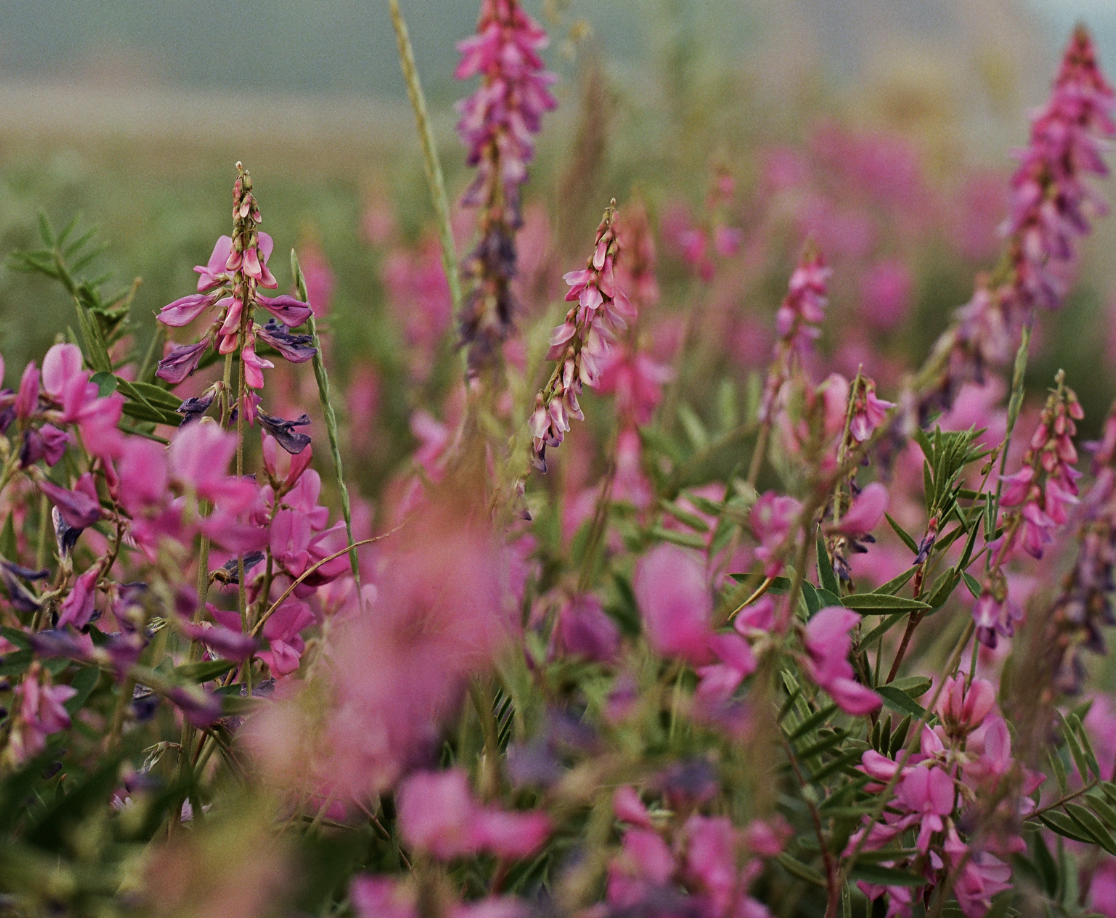
Fireweed grows in the summer in Interior Alaska. Photo by Emily Mesner |
Please join us and fellow changemakers for an inspiring evening of reading, reflection, and connection—let’s come together to share stories and reimagine what is possible!
The Northern Center and Fairbanks Climate Action Coalition will be hosting another evening of "The Reading Resistance Room", a welcoming and friendly book club with no page number requirements, free snacks, and child care. Please RSVP here.
When: Thursday, May 15 from 5:30-6:30 p.m. Where: Dená Movement Commons (526 Gaffney Road, Fairbanks)
What are we reviewing: Saving Us: A Climate Scientist's Case for Hope and Healing in a Divided World by Katherine Hayhoe |
Fairbanks: Felix Gold to host conversations this month |
Felix Gold will be hosting open hours at the Noel Wien Library (1215 Cowles Street) in Fairbanks from 12-3 p.m. every Friday in May. You will be able to speak to their community outreach liaison, share your thoughts and concerns, and fill out the community project survey in person.
For more information, please reach out to joy@uqaqti.com. |
Help support Camp Habitat youth |
Susan Grace and Friends of Creamer's Field are excited to announce the Karen Toland Camp Habitat Scholarship Fund, a new opportunity to support scholarships for participants of Camp Habitat, a nature education and ecology camp for children ages 4-11. Karen was instrumental in developing all of the camp programs, particularly preschool programs, and she greatly contributed her time and energy to all of the backpacking programs done in years past. The fund plans to provide at least two full scholarships per year to children who cannot afford to attend the camp. Donations can be sent to Friends of Creamer’s Field (P.O Box 81065, Fairbanks, Alaska 99708). Please note: Check memo must say "Camp Habitat Karen Toland Scholarship Fund" |
Toolik Field Station turns 50 and they want to celebrate with you! |
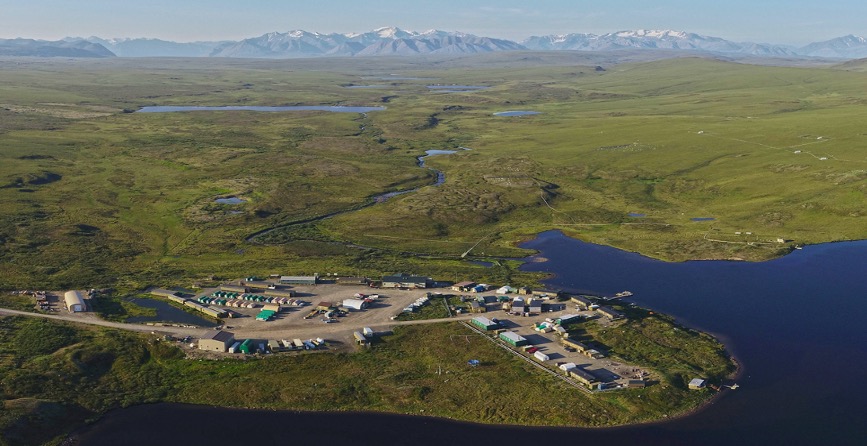
Photo of the Toolik Field Station by Jason Stuckey |
This summer, get an up-close look at the world's largest Arctic research station! Toolik Field Station is celebrating 50 years of research and welcomes you to join them for a Visitor's Day on June 6. The event goes from 9:30 a.m. to 4 p.m. and visitors can meet station staff and scientists, tour facilities and research sites, and learn more about the exciting science happening at the station. You can learn more about their event here, including free tour schedules, travel information, and lunch options.
The Toolik Field Station, located at mile 284.5 of the Dalton Highway on Alaska’s North Slope, is a leading, year-round Arctic research, observation, and education facility, providing insight to address local and global challenges of the rapidly changing Arctic. The station is operated by the University of Alaska Fairbanks Institute of Arctic Biology with support from the National Science Foundation.
Questions? Contact Toolik Field Station at uaf-iab-toolik@alaska.edu or call (907) 474-6407 for more information, and check out their Facebook event.
|
|
|
Check out our favorite reads this week |
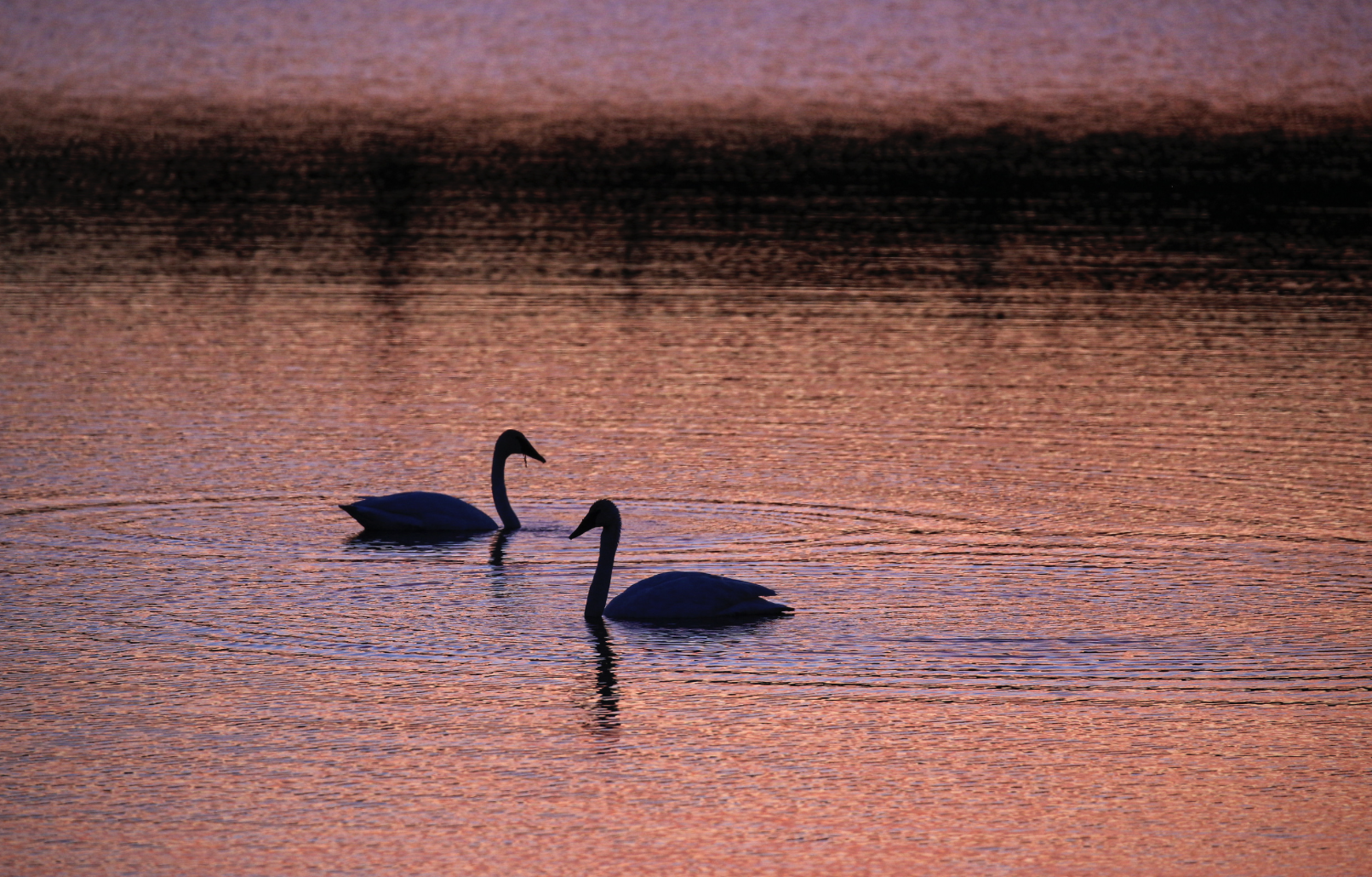
Two swans swim and eat in a kettle pond near Wonder Lake in Denali National Park and Preserve. NPS Photo by Emily Mesner |
A writer finds freedom in being unapologetically Indigenous
Alaskan author Laureli Ivanoff beautifully explains what it's like to strengthen your roots in a new place. "Saying “uvlaalautaq” or other everyday phrases in Inupiaq in our home is something we just do," Ivanoff writes in this story for High Country News. "It’s something I grew up with...But now, living in Anchorage, daily use of our simple phrases has become a small way for us to root ourselves in identity in a new place. Where many languages are spoken. Where we are the minority." |
Satellite transmitters enable scientists to confirm a split in Alaska tundra swan populations
Enjoy this article by Ned Rozell and learn how scientists discovered the two pathways that Alaska's swans take during their Spring and Fall migrations. "Ely and other scientists think that the East Coast-wintering birds that summer on the Colville River may be flying an ancient ice-free corridor that could have been the only unfrozen pathway north during the last Ice Age," Rozell writes. |
Who has the right to decide what happens on Indigenous lands?
From Katie Surma for Inside Climate News: In Ecuador, Indigenous communities are fighting for stronger safeguards to protect their sovereignty as more oil drilling looms. A right to say no to unwanted development could revolutionize consultation processes used around the world. |
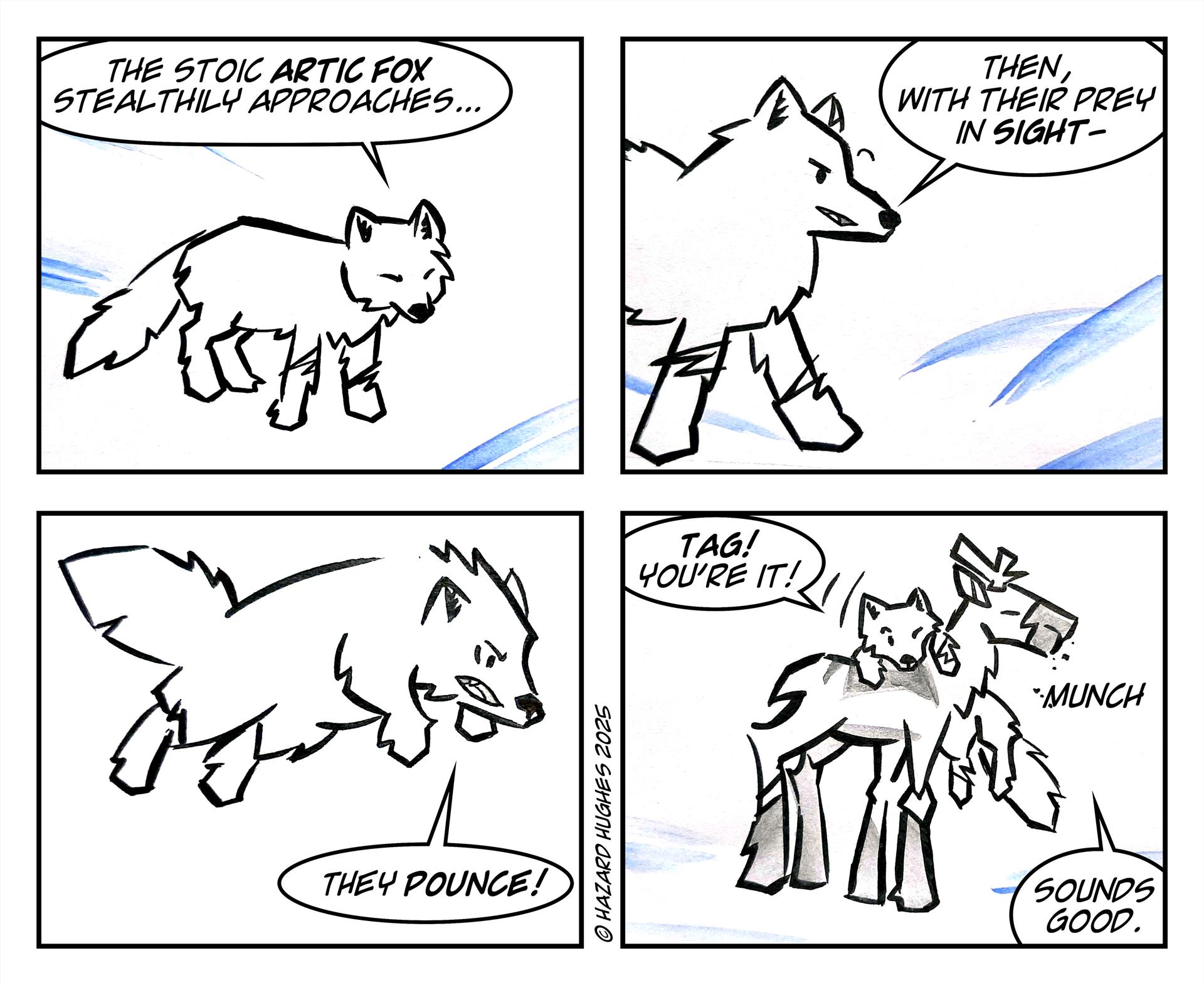
Your monthly laugh from Hazard Hughes |
|
|
MISSION The Northern Alaska Environmental Center promotes conservation of the environment and sustainable resource stewardship in Interior and Arctic Alaska through education and advocacy. |
|
|
Our Contact Information *{{Organization Name}}*
*{{Organization Address}}* *{{Organization Phone}}* *{{Organization Website}}* *{{Unsubscribe}}* |
|
|
|