Help us call Alaska's Senators |
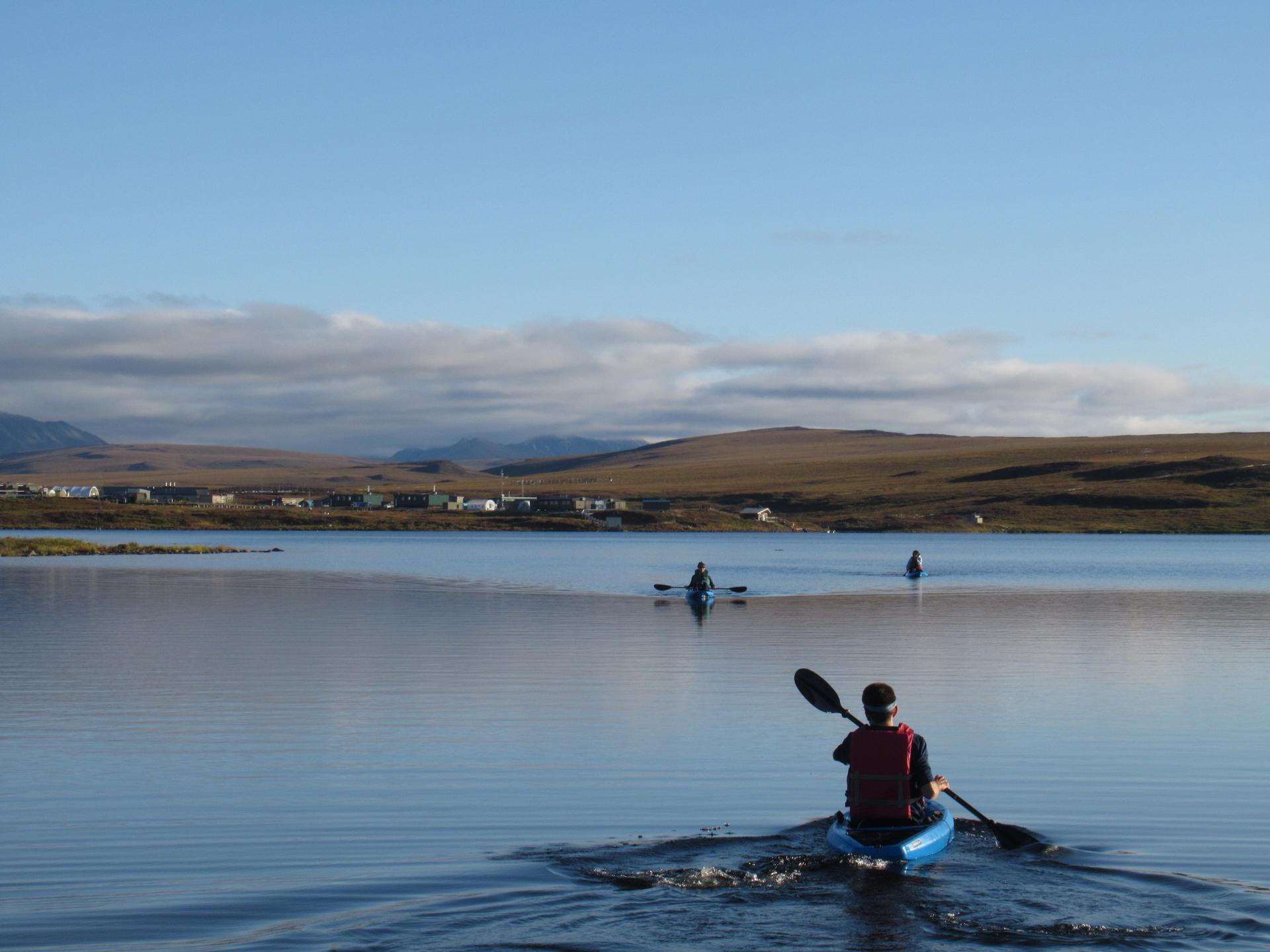
People participate in Run for the Refuge at the Toolik Field Station. Photo by Amanda Young/Toolik Field Station |
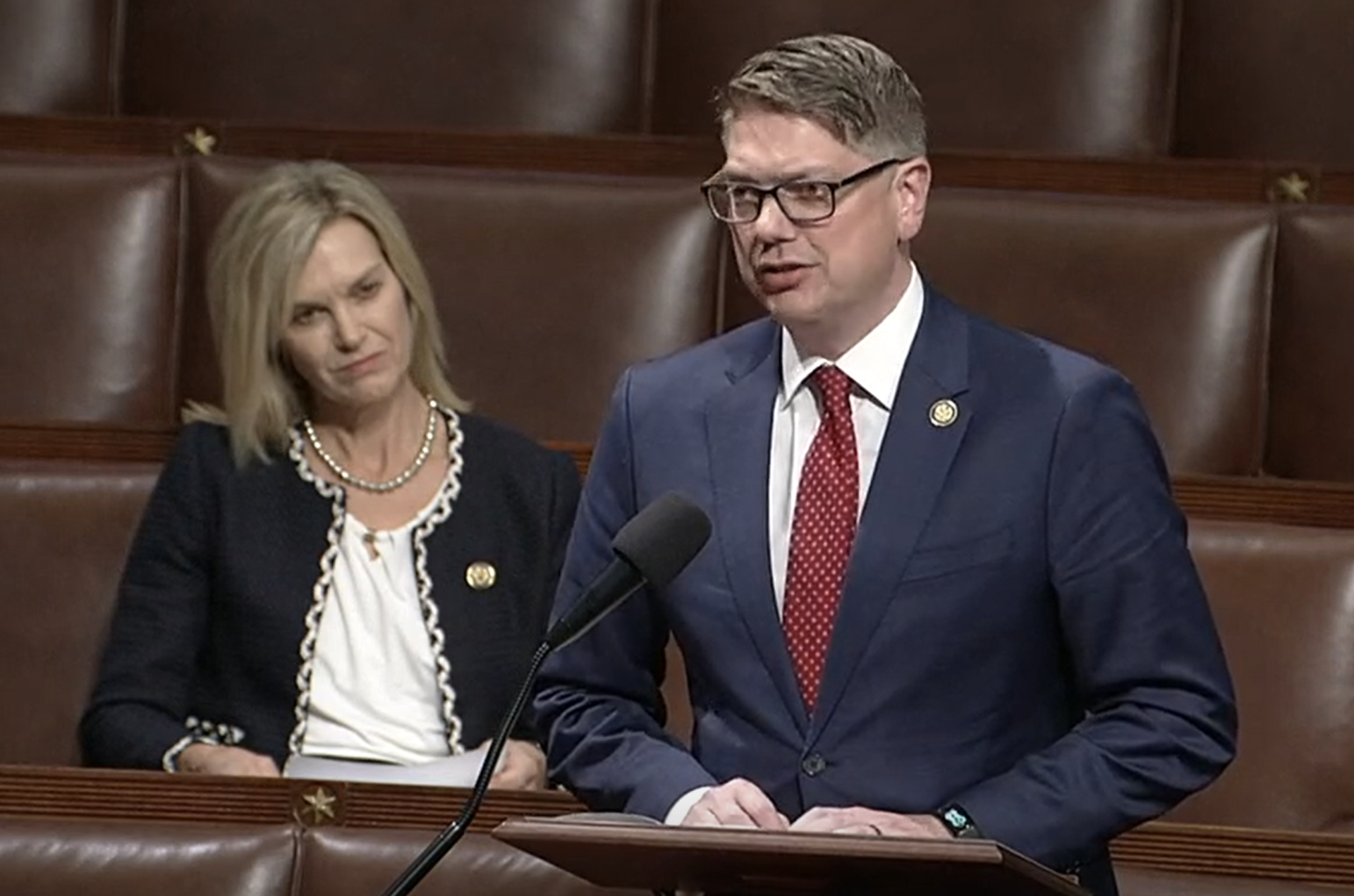
Yesterday, the House voted to advance Alaska Representative Nick Begich’s H.J.R. 106 alongside several other bills that would utilize the Congressional Review Act to overturn Resource Management Plans across Alaska, North Dakota, and Montana. This bill is a backhanded effort to work against Alaskans, Tribes, and the fish and wildlife we all depend on, overruling community well-being and public will in favor of extractive industries. Read below to learn about the steps you can take to voice your concern.
- Emily Mesner (mesner@northern.org) Communications Coordinator |
H.J.R. 106 passes, Senate version up next |
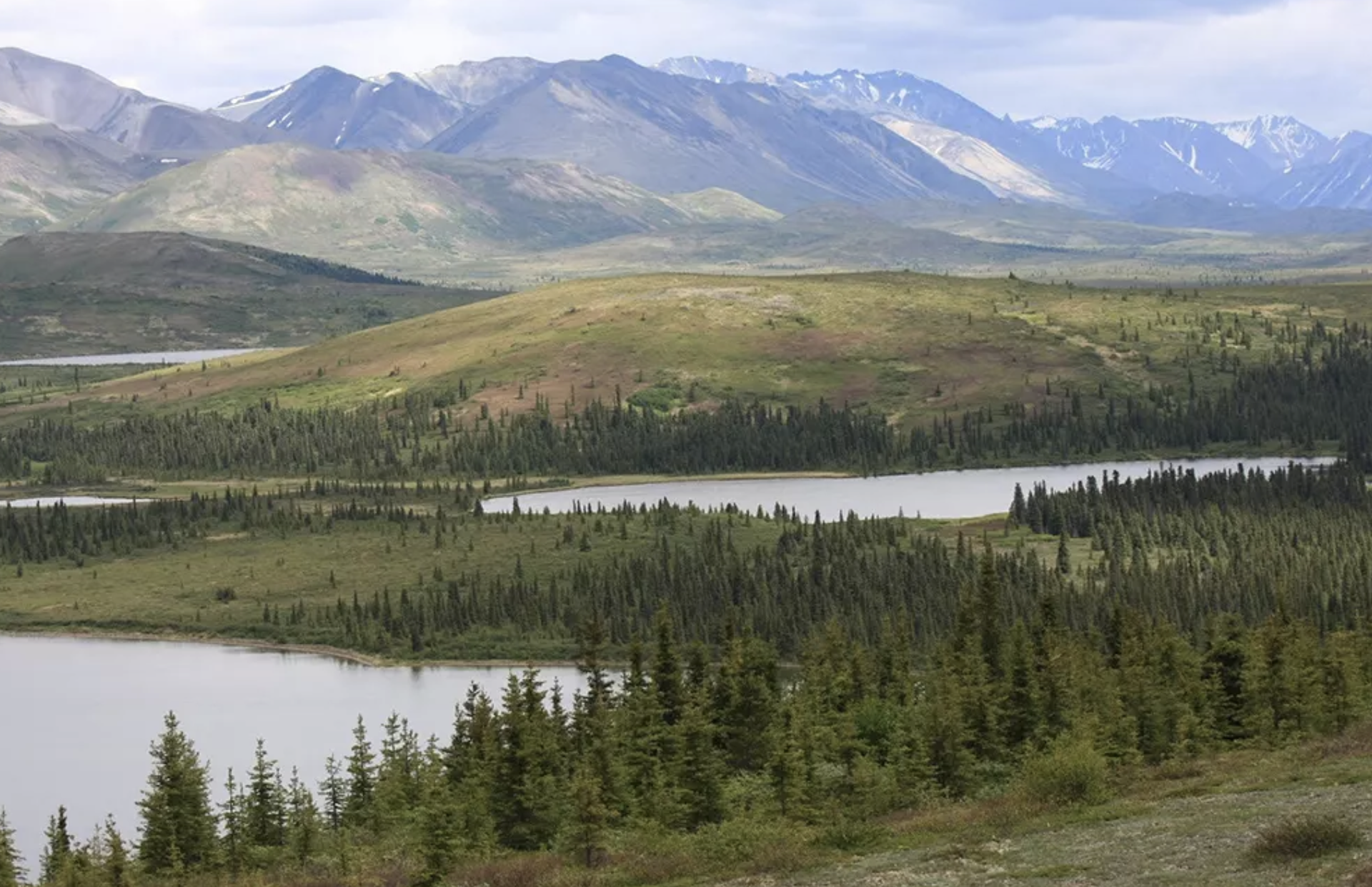
Rep. Begich’s bill, H.J.R. 106, plans to use the Congressional Review Act (CRA) to overturn the Central Yukon Resource Management Plan (CYRMP). His intent in overturning this plan is to unleash resource development across this region and remove barriers for development of the proposed Ambler Road—this was shut down by the Bureau of Land Management last June after they ruled it would cause significant and irreversible harm to the region’s subsistence resources, cultural resources, and community health and well-being.
During floor debate, Rep. Begich blatantly lied about the CYRMP, claiming that there wasn’t tribal consultation or input, and that Alaskans didn’t want it despite more than a decade of scientific analysis, tribal consultation, and public input. He also claimed “federal overreach”, but is doing the same overreach by trying to overturn a plan that is largely supported by people across the region and protects incredibly valuable subsistence resources. Rep. Begich also lied about the benefits of the Ambler Road and the proposed Alaska LNG project, stating that overturning the CYRMP would help unlock these “critical” projects.
In advance of the Senate version of this bill being presented for a floor vote, we encourage you to reach out to Senators Lisa Murkowski and Dan Sullivan and demand they keep the current CYRMP intact. We ask that you cite the 13 years of scientific analysis that went into a reasonable plan that balances subsistence uses, recreational access, protection of sensitive ecological areas, and development.
|
Rep. Begich ignores the voices of rural Alaskans |
Thank you for supporting the Arctic Refuge! |
To everyone who supported this year's Run for the Refuge, both in participation and donations—THANK YOU! We had 145 participants join in this movement from across the globe including 27 states and six countries. And, we've been loving seeing your photos, routes, and hearing about why you support the Arctic National Wildlife Refuge.
|
EPA plans to rescind standards for greenhouse gas and vehicle emissions |
Americans and scientific experts spoke loudly and clearly in opposition of the U.S. Environmental Protection Agency’s (EPA) plan to rescind its greenhouse gas “endangerment finding” and vehicle emissions standards during the first of several public hearings on the matter. The standards allow the EPA to regulate vehicle emissions, as well as emissions from power plants and oil and gas operations. A 2007 Supreme Court case (Massachusetts v. EPA) set the precedent that greenhouse gas emissions count as air pollutants and required the EPA to assess whether they impacted public health and take action to reduce their harm.
Now, the EPA wants to overturn these rules, citing unscientific reports that create skepticism about the impacts of greenhouse gasses on the climate and human health. They claim that this will "unleash American energy, lower costs for Americans" and "revitalize the American auto industry." Of the 200 testifiers, less than 10 supported the rule reversal—among them the American Petroleum Institute and the CO2 Coalition, a climate change denial organization. The public comment period for this reconsideration is open until September 22. You can read more about the proposed changes and share your comments using the button below. |
The Mining Regulatory Clarity Act is back, and it's still bad news |
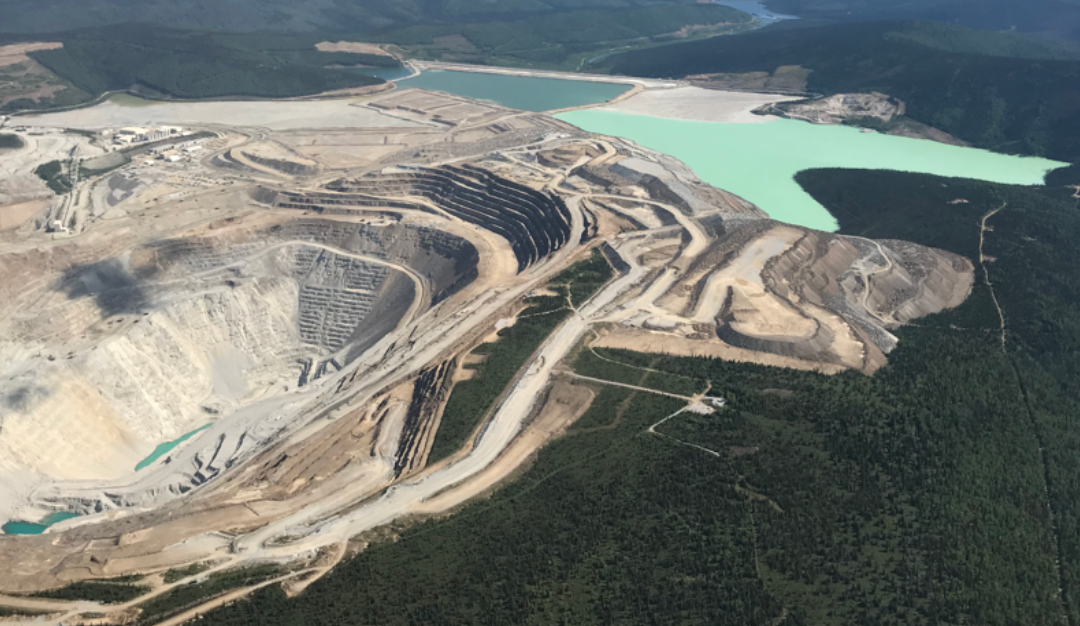
Aerial photo of the Kinross Fort Knox Gold Mine. |
We’ve previously shared about the Mining Regulatory Clarity Act here and here. On the surface, this bill sounds pragmatic and helpful. However, if this bill is passed, it would cause significant environmental and community harm.
There is a committee vote expected in the House in the next few weeks. Please take time to read through our previous blog posts which include talking points about why this bill is highly problematic, and call on the following Representatives and urge them to oppose this bill: - Rep. Nick Begich (AK): (202) 225-5765 (D.C.), (907) 251-4560 (Fairbanks)
-
Rep. Adam Gray (CA): (202) 225-1947
- Rep. Jared Golden (ME): (202) 225-2943
- Rep. Susie Lee (NV): (202) 225-3252
|
How regulators can restore Trans-Alaska Pipeline System lands, recover billions |
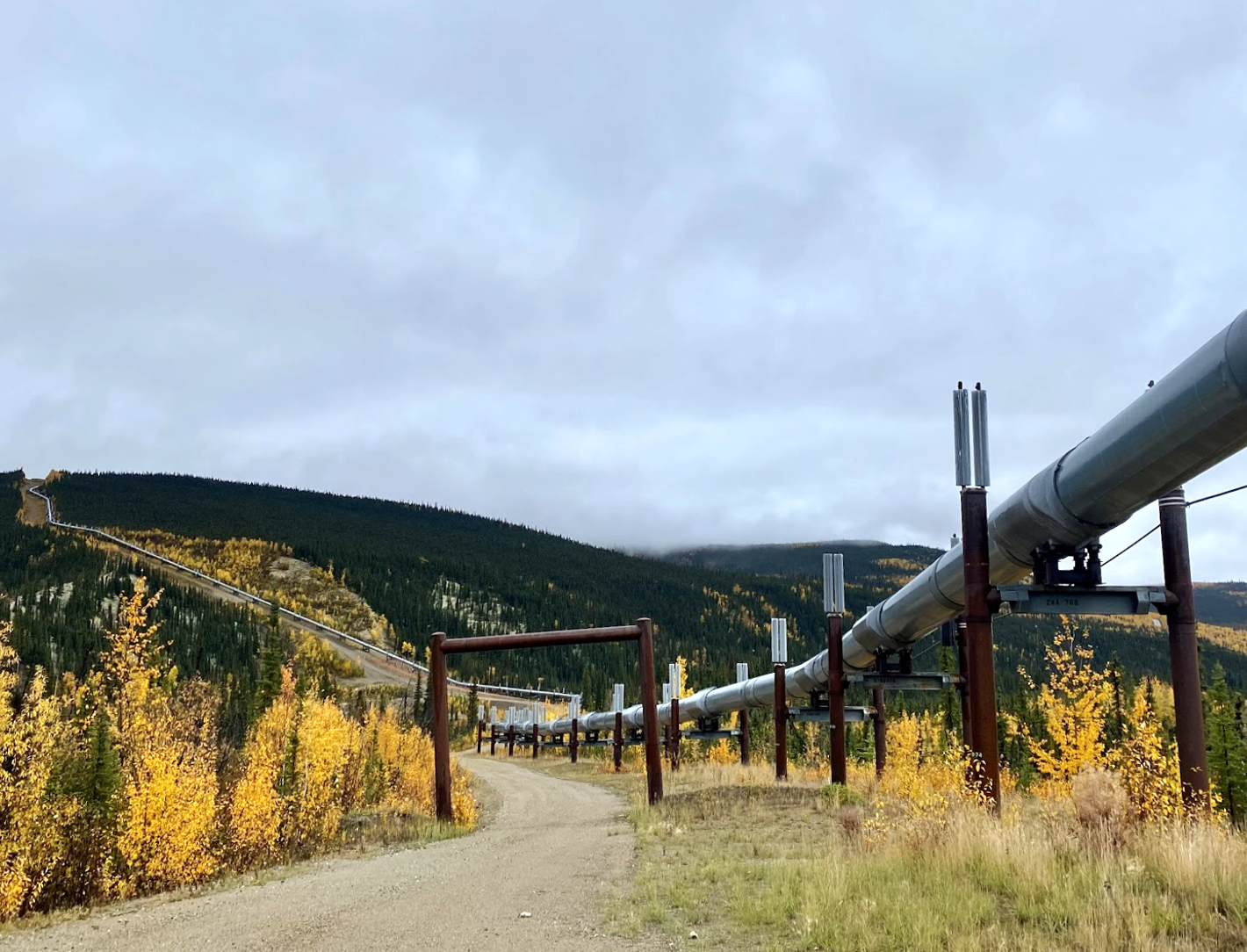
The Trans-Alaska Pipeline System can be seen extending over a hill. Photo by Emily Hikes |
What could happen when the Trans-Alaska Pipeline System (TAPS) is decommissioned someday in the future?
Researchers Catherine H. Rocchi, Philip A. Wight, and Michael Loughran explored the process of shutting down TAPS and remediating the public lands it uses, as well as the potential financial gains and pitfalls of shutdown and cleanup in this research article published in the Alaska Law Review. They also shared their findings, along with recommendations for a shutdown of the pipeline that would safeguard Alaska’s ecosystems while providing an economic boost for its residents and state budget, with Northern Journal's Nat Herz.
|
Take a break with these interesting stories |
|
|
Our Northern Center neck gaiter—sporting Tehya McLeod's 2025 featured art—is for sale on our website, and we still have stock available at our office in Fairbanks! We designed this limited-edition piece with a lot of care (and fun!) and hope you love it as much as we do. All proceeds from these sales help support our work in protecting the Arctic Refuge.
The Northern Center is looking for volunteers to support our upcoming events and community outreach efforts. Whether you enjoy planning, connecting with people, or lending a helping hand, your time and energy can help amplify our impact. Reply to this email, or contact lois@northern.org, to learn more about the next committee meeting.
Do you have GIS skills and access to GIS software? Northern Center is looking for a volunteer to help staff create maps related to mining claims and exploration areas around Fairbanks, as well as landownership and land use in areas across Interior and Arctic Alaska. Please email katie@northern.org if you are willing to volunteer time to help us create these visuals. Thank you!
National Public Lands Day is September 27! This is an annual event on the fourth Saturday of September that has been the nation's largest single-day volunteer effort. Last year, more than 130 national parks hosted events with 7,600 volunteers donating 41,500 hours of service. All national parks that charge an entrance fee will offer free admission.
|
|
|
MISSION
The Northern Alaska Environmental Center promotes conservation of the environment and sustainable resource stewardship in Interior and Arctic Alaska through education and advocacy. |
|
|
Our Contact Information *{{Organization Name}}*
*{{Organization Address}}* *{{Organization Phone}}* *{{Organization Website}}* *{{Unsubscribe}}* |
|
|
|