...and it's threatening Alaska's wildlife |
Photo by Ryan Arash Marsh |
Once again, it's been a busy few weeks as threats against Alaska's Western Arctic and Arctic National Wildlife Refuge continue. This E-Newsletter is full of updates and insights on these key issues, and staying informed now will be important as conversations progress around potential seismic exploration. Also, we are just two weeks away from this year's Run for the Refuge. Join us in calling attention to climate change, industrial development, and fossil fuel extraction by participating (from anywhere!) in this free, virtual 5k. All donations directly support our work to conserve and advocate for sustainable, community-centered approaches to land and resource management in Alaska’s North.
- Emily Mesner (mesner@northern.org)
Communications Coordinator |
The Western Arctic is losing even more protections |
Last week, the Trump administration continued its attack on the Arctic by withdrawing recent protections for subsistence hunting, fishing, and other traditional Indigenous values. This is the latest in a series of steps to revoke crucial new protections for the Western Arctic’s five Special Areas—Teshekpuk Lake, Colville River, Utukok River Uplands, Kasegaluk Lagoon, and Peard Bay.
These ecosystems have all been identified through extensive community and scientific input for their unique cultural, subsistence, and recreational value. The Trump administration is rushing forward to promote industry profits in complete disregard for public process and community health.
Check out this great op-ed from Nauri Simmonds, executive director of Sovereign Iñupiat for a Living Arctic, to read more about just how much is at stake.
|
AIDEA is trying to start seismic exploration in the Arctic Refuge |
The Alaska Industrial Development and Export Authority (AIDEA) took another step in pursuit of oil in the Arctic National Wildlife Refuge with a new call for contractor bids for development planning.
AIDEA intends to start 3D seismic testing this winter, a destructive process that creates sound waves via massive trucks that pound the earth. The way the sound waves reflect back to the surface from different layers of rock and soil can help determine where corporations are likely to find oil. Any seismic operation will require a lot of other support too; convoys of heavy machinery, camps for workers, and airstrips to bring in fuel and supplies. These seismic trucks—weighing 90,000 pounds—will travel across the entire survey area in a grid pattern disturbing wildlife, damaging the tundra, and leaving lasting scars.
AIDEA still needs to file for permits before they can start any seismic exploration—including one that enables a certain amount of harassment and disturbance to polar bears and other marine wildlife under the Marine Mammal Protection Act.
We will keep you updated on ways to hold AIDEA and their contractors accountable as this process moves forward. |
Dunleavy’s vetoes meet unexpected pushback |
Last week, during a special legislative session, state lawmakers rallied to overturn Governor Mike Dunleavy’s vetoes of education funding and his inexplicable attempt to obscure oil tax information. It was a heartening rebuke of the Governor, who has repeatedly undermined public education funding and is an open advocate of the oil and gas industry.
Dunleavy called the special session when it seemed some legislators wouldn’t be available—he even initially asked 19 members of the House’s Republican minority caucus to stay away from the start of the session for the window when legislators would vote on his vetoes.
But legislators scrambled to attend—Forrest Dunbar, who was stationed abroad with the Alaska Army National Guard, requested leave and paid his own way back to Alaska for the vote. Senate President Gary Stevens called it a remarkable day, and said, “I’m very proud of how the House and Senate worked together and how we stood up and did the right thing.”
Senate Bill 183—the oil tax audit transparency bill—could recoup tens or even hundreds of million dollars in state revenue from corporate oil tax underpayments. With divisive, harmful policies gaining constant attention, legislators’ stance last week was a bright spot for bipartisanship in Alaska.
|
We've updated our website—give it a look! |
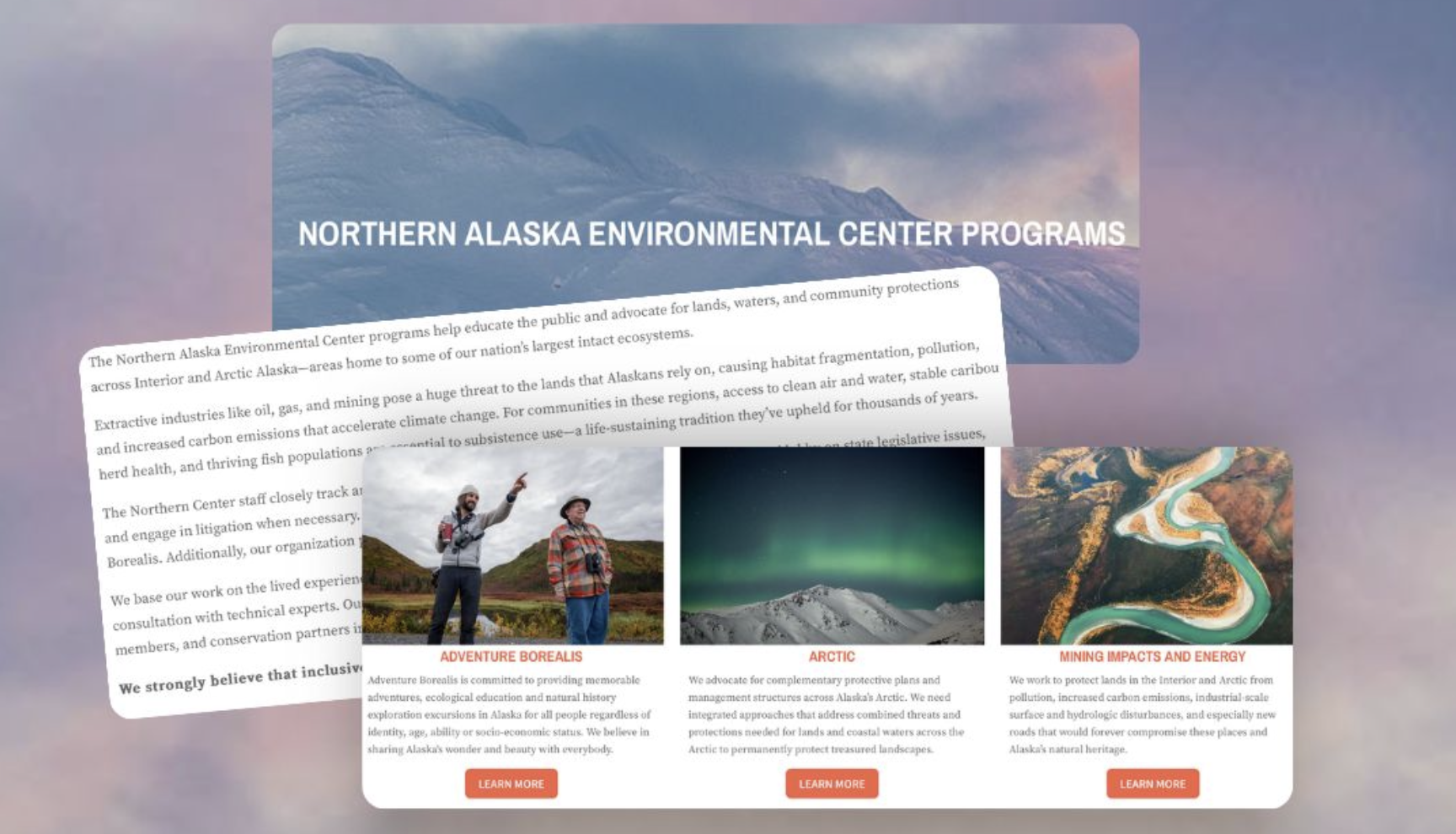
As expected, this year has been a whirlwind of shifting dynamics in Washington, D.C.—and we’ve been keeping a close eye on how those changes are impacting Alaska. Countless hours have gone into tracking developments and staying proactive in our advocacy efforts. Behind the scenes, we've also been hard at work—and we're excited to finally share what we've been up to!
We've revamped the “Programs” tab on the Northern Center website to better reflect our current initiatives and practices. We’ve also refreshed the “Archive” section (under the “News” tab). There, you’ll find past editions of these bi-monthly E-Newsletters, as well as our Annual Reports and issues of The Northern Line.
We hope these updates offer a clearer window into our work—past, present, and future—serving as a trusted source of information for our members and new visitors alike! P.S. For the best experience, we recommend viewing the site on a desktop or tablet! |
If every mineral is critical, then none are! |
Analysts at The Breakthrough Institute, a global research center promoting technological solutions to human and environmental development challenges through the lens of progressive values, shared this perspective on the United States' current approach to critical minerals designations:
-
"Effective U.S. critical mineral policy arguably needs to be more targeted...not simply any mineral commodity considered important at a given political moment…Ultimately, the goal of critical mineral policy should be to remove critical minerals from the list—not designate mineral commodities for special treatment in perpetuity…"
|
How Arctic roads are impacting migratory patterns of caribou |
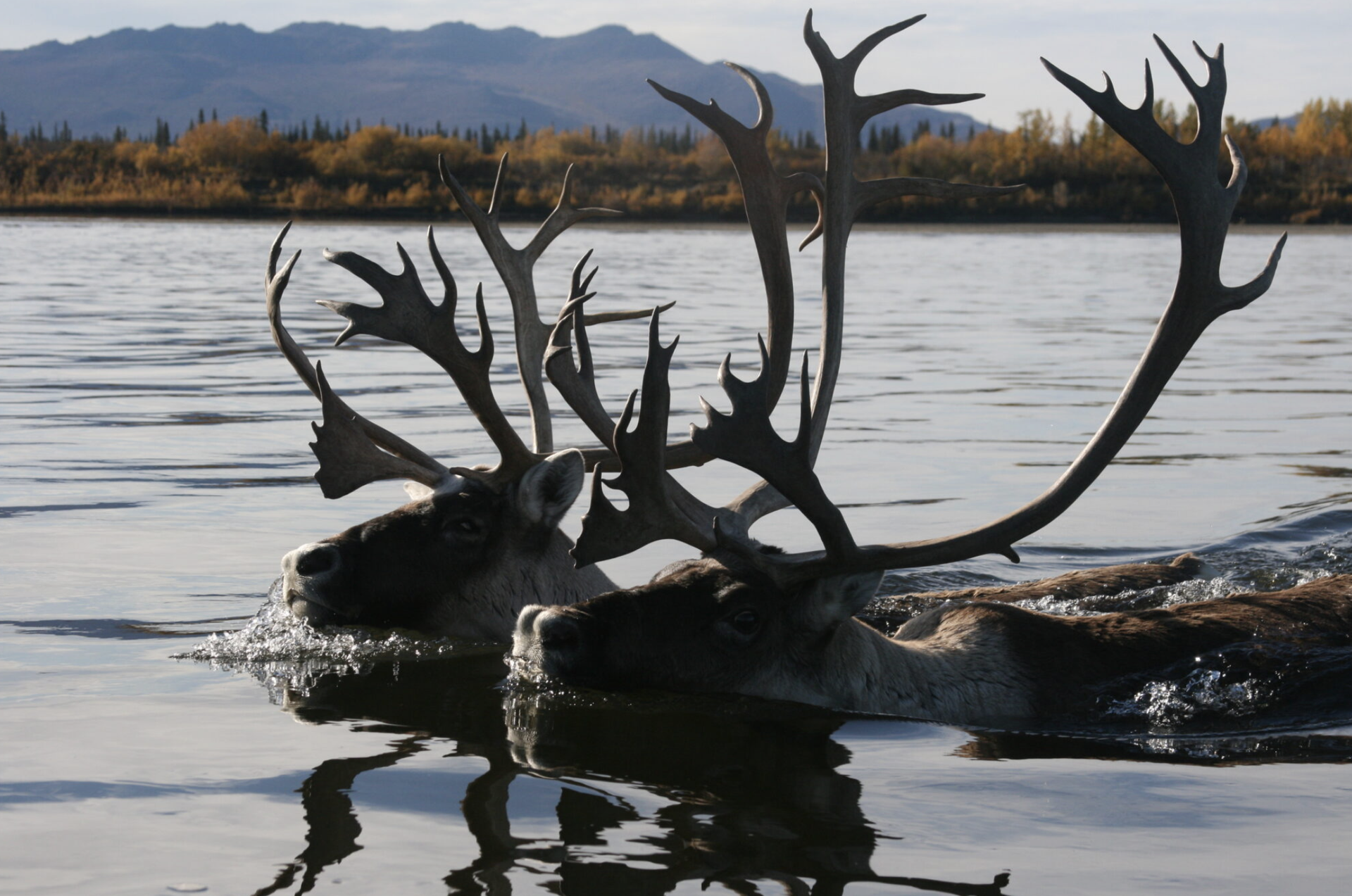
Two bull caribou of the Western Arctic Caribou Herd swim across the Kobuk River. NPS Photo by Kyle Joly |
A new study published last month summarized the impacts of northwestern Alaska roads on the migratory patterns of the Western Arctic Caribou Herd (WACH).
The study looked at the seasonal movement of female caribou in response to five roads over 15 years (from 2009-2024). According to the data, roads act as semi-permeable barriers to caribou, and altered the behavior of more than 60 percent of the caribou that were tracked. These caribou spent nearly 10 days longer on average near roads before crossing them as part of season migrations. Caribou and reindeer populations have declined over 50 percent in the last 20 years, making it critical to understand the impacts of development and infrastructure on their behavior and survival as we face more proposals for development across the Arctic.
|
This week's important stories |
Save the date: Film screening |
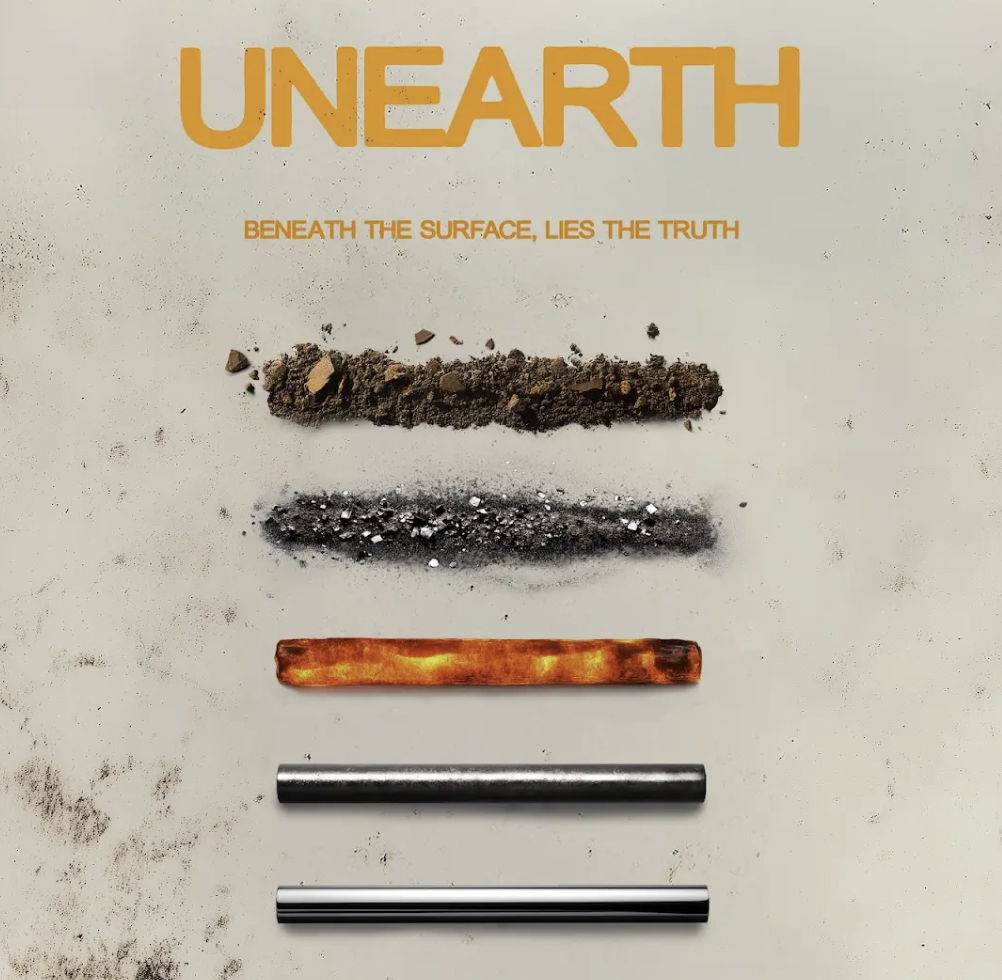
Join Save Our Domes (SOD) next Tuesday, August 12, at 6 p.m. in Goldstream at the Ken Kunkel Community Center for a screening of the film Unearth. This film follows two sets of siblings—Indigenous activist sisters and commercial fisherman brothers—as they face the challenge of fighting the proposed Pebble Mine in the world’s largest and most prolific remaining sockeye salmon fishery in Bristol Bay.
SOD will provide free non-alcoholic beverages, and a food truck will be on site for folks to purchase snacks and dinner. |
Fairbanks—we need your help |
|
|
This week's captivating reads |
A New Jersey shore town has turned to oysters to fight sea level rise and erosion
From Inside Climate News author Emilie Lounsberry: Every year, hungry restaurant patrons slurp down fat, juicy oysters, their greyish-white shells cast aside with little thought. But here on this picturesque barrier island, the crusty shells are a valuable commodity and are hauled away by township workers, sorted by volunteers and destined for a whole new life. |
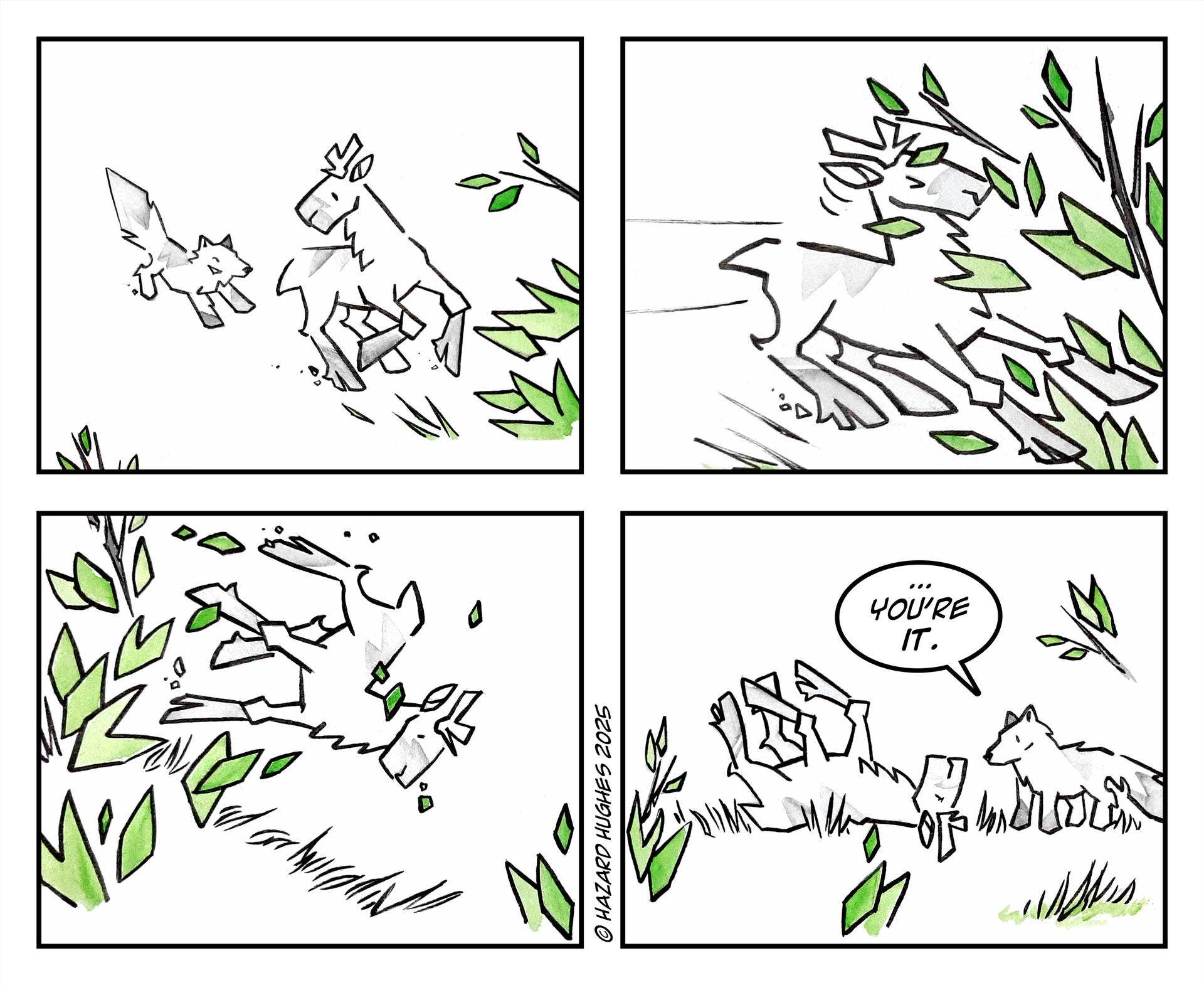
Your latest laugh from Hazard Hughes |
-
Tune in to the National Oceanic and Atmospheric Administration's Science Seminar Series—a voluntary effort that began in 2004 and is led by more than 70 NOAA seminar coordinators to integrate and distribute a list of NOAA-hosted, publicly accessible science seminars.
Do you have GIS skills and access to GIS software? Northern Center is looking for a volunteer to help staff create maps related to mining claims and exploration areas around Fairbanks, as well as landownership and land use in areas across Interior and Arctic Alaska. Please email katie@northern.org if you are willing to volunteer time to help us create these visuals. Thank you!
Alaska Wilderness League is still accepting applications for their Alaska Storytelling Grant, an unrestricted award of $20,000 to a practicing professional storyteller of exceptional talent and ability who has experience living in Alaska and who tells a uniquely Alaskan story. Applications are open until August 24. Click here for more information.
- Alaska Community Action on Toxics is hiring for two positions:
-
The 28th annual Tanana Valley Sandhill Crane Festival will be held August 18-24.
|
|
|
MISSION
The Northern Alaska Environmental Center promotes conservation of the environment and sustainable resource stewardship in Interior and Arctic Alaska through education and advocacy. |
|
|
Our Contact Information *{{Organization Name}}* *{{Organization Address}}*
*{{Organization Phone}}* *{{Organization Website}}*
*{{Unsubscribe}}* |
|
|
|