...and what you can do to help protect the environment |
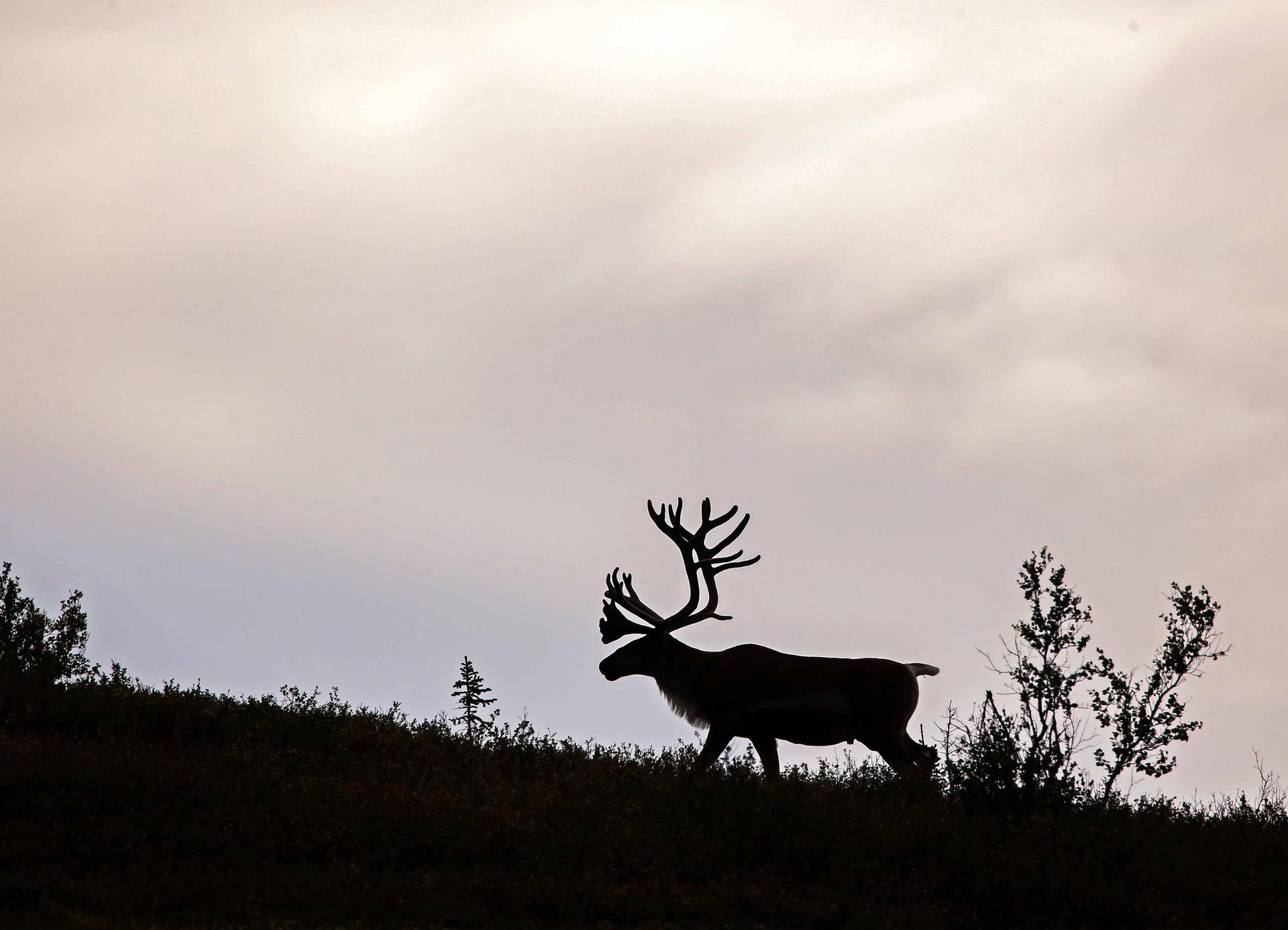
A caribou walks along a ridge in Denali National Park and Preserve. NPS Photo/Emily Mesner |
We do our best to provide you with factual, peer-reviewed, and scientifically-supported information. And right now, the fact is that there is a lot of environmentally disastrous news coming out of Washington, D.C. Senate leadership is pushing for voting to start this weekend on their version of the reconciliation bill, making the next few days absolutely critical for us to tell the Senate that we are adamantly opposed to its many harmful proposals. You can read more on that here.
We've tried our best this week to help distill a lot of complex information and provide you with resources to participate in comment periods but please do not hesitate to reach out if you have questions.
- Emily Mesner (mesner@northern.org) Communications Coordinator |
Gov. Dunleavy's vetoes undercut education while letting oil companies dodge taxes |
Last week, Governor Mike Dunleavy vetoed a bipartisan bill designed to bring much-needed transparency to the Department of Revenue’s approach to oil tax assessments via Senate Bill 183. This bill would have clarified the legislative auditor’s ability to request information from the state to make sure oil companies weren’t evading taxes. Unlike past governors, the Dunleavy administration is not willingly providing this tax audit information from the Department of Revenue, potentially costing Alaskans hundreds of millions in state revenue. He also vetoed the legislature's planned use of $100 million from the Alaska Industrial Development and Export Authority to balance the state’s existing deficit and continues to undermine new funding for public schools.
Read more from the Anchorage Daily News about oil taxes, and the governor’s education veto from the Alaska Beacon. |
Senate aims to sell off nearly 83 million acres of eligible public lands in Alaska |
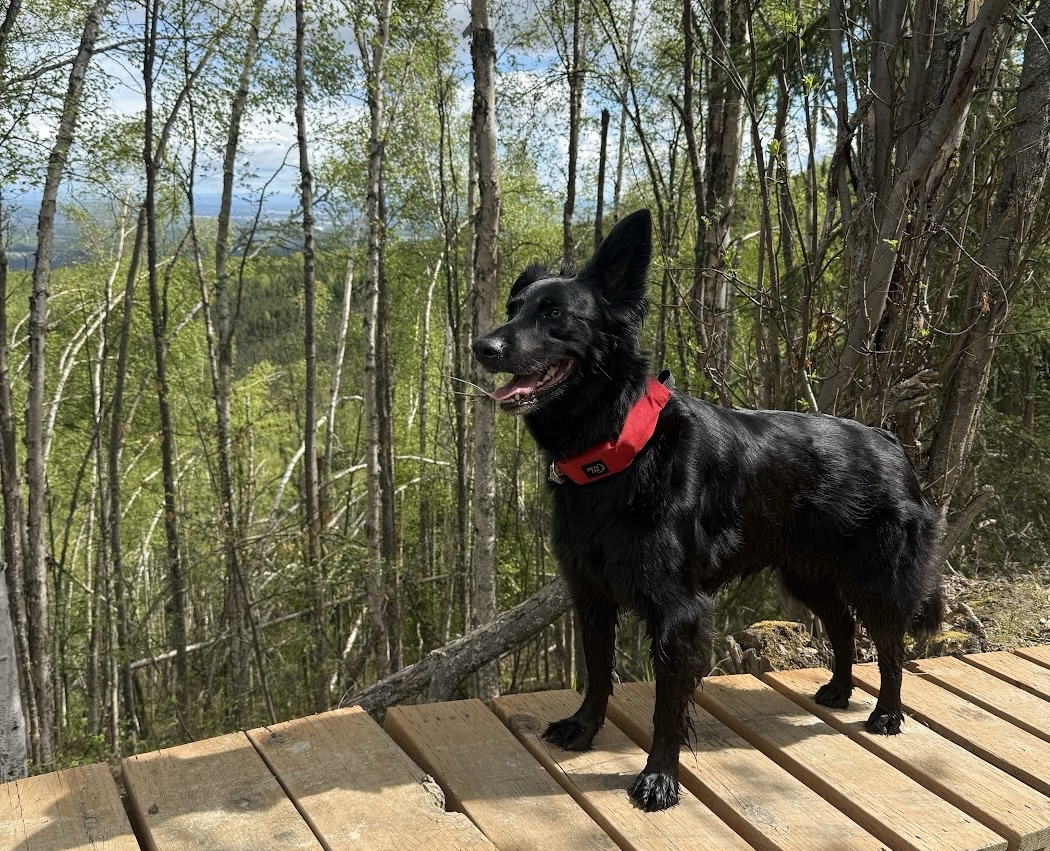
Staff intern, Indy, looks out from the Ester Dome Singletrack in Fairbanks. |
The Senate’s reconciliation bill aims to be even more disastrous than the House version, damaging social services we rely on and harming the public lands that provide critical habitat, clean air and water, and necessary recreation for Alaskans and Americans alike.
Included in their version, the Senate bill proposes to sell off public lands, identifying more than 250 million acres of eligible lands across the western United States—including up to 83 million acres of eligible lands in Alaska.* The provision contains few exceptions—even Wilderness Study Areas, Areas of Critical Environmental Concern, roadless areas, and critical habitat areas are all eligible for sale to “any interested party.”
Near our office in the Interior, Bureau of Land Management lands potentially on the chopping block include parts of Ester Dome, lands along Chena Hot Springs Road, the White Mountains National Recreation Area, parts of Tolovana Hot Springs, the Ray Mountains, huge swaths of land north of Denali National Park and Preserve, and BLM lands surrounding the Denali Highway.
For our friends on the Seward Peninsula, nearly the entire Kigluak Mountain range is eligible for the BLM lands sell-off, as well as lands surrounding the Imuruk Basin and the Bendeleben Mountains. And to the north, BLM lands across the Arctic—including nearly half the North Slope—could also be part of the proposed sale.
Follow this link and use the interactive map to learn more about the public lands that are in danger.
Take action below and tell your senators that these public lands are NOT FOR SALE.
*as of the Senate bill's language on Tuesday—language is changing rapidly and certain lands may no longer be eligible in this sale by the time you're receiving this email. |
There is a plan to revoke environmental protections for Western Arctic |
If you find the Trump administration’s chaotic approach to environmental policy hard to track and generally awful, that’s because well, it is. They are in such a hurry to push for oil and gas industry interests, like in the Western Arctic, that they plan to revoke environmental protections for the region with only two week’s notice.
These new plans, announced just last week, are moving forward at the same time as a separate process to erase new protections for the region’s five Special Areas—the Colville River, Utukok River Uplands, Kasegaluk Lagoon, Peard Bay, and Teshekpuk Lake.
The Department of the Interior (DOI) is essentially skipping the public process, reverting to an outdated and scientifically deficient plan that would open more than 80 percent of the region to oil and gas. This plan would also eliminate the Colville River Special Area and open almost the entire Teshekpuk Lake Special area.
This two-week comment window is only open until July 1—tell DOI that two weeks is an absurdly short time for the public to meaningfully engage, especially since Alaskans are out on the land and water at this time of year. Ask that they extend the comment period for at least 60 days instead of ignoring science, community health, and public process.
|
Court rules in favor of Willow oil project |
A disappointing ruling lets the ConocoPhillips Willow oil project proceed—but a strong dissent highlights the ruling’s inconsistencies. Read more here from our amazing legal partners, Trustees for Alaska. |
Comment now against proposed Yukon Flats oil and exploration license |
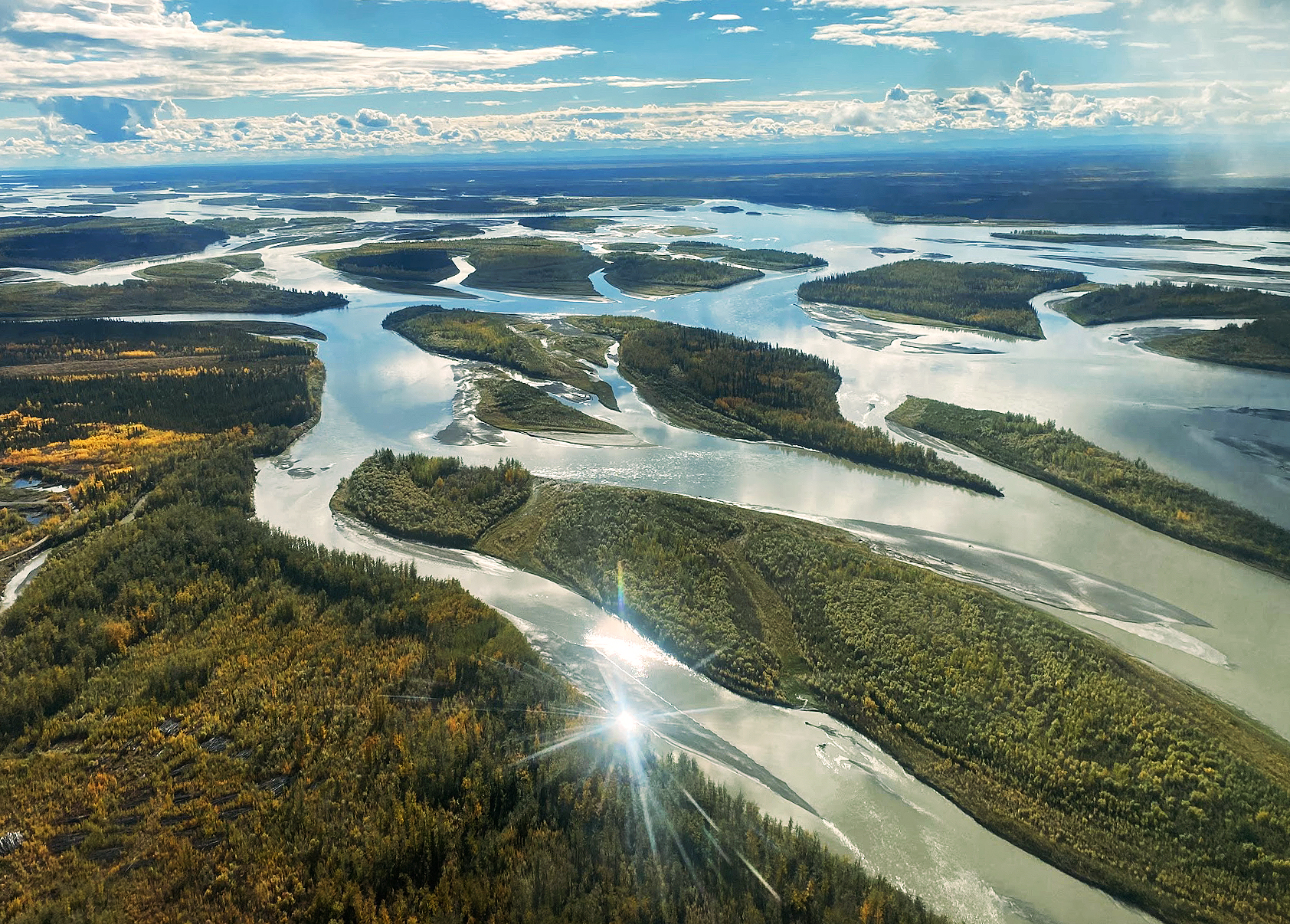
The Yukon Flats from above. Photo by Emily Hikes |
The Alaska Department of Natural Resources Division of Oil and Gas (DO&G) is considering a new oil and gas exploration proposal in the Yukon Flats, in addition to asking for more oil exploration proposals. This initial public comment period is open until July 30. This is the first step in the process, and it’s an important one—after this initial public comment period, the DO&G will decide whether or not to move forward with the exploratory license. We need your help to tell the DO&G just how special the Yukon Flats are, and how irresponsible it would be to allow this proposed oil and gas development.
Click the button below for more information, including how to send comments. |
Quinn Christopherson goes on tour and continues Alaska advocacy |
Alaskan singer/songwriter Quinn Christopherson is on tour now through July 2 in the Lower 48. Blending music with storytelling rooted in his Ahtna and Inupiaq heritage, he helps shine a light on how to support Alaska’s lands and communities—including the fight to stop the Ambler Road project. You can check out his tour dates and locations here.
|
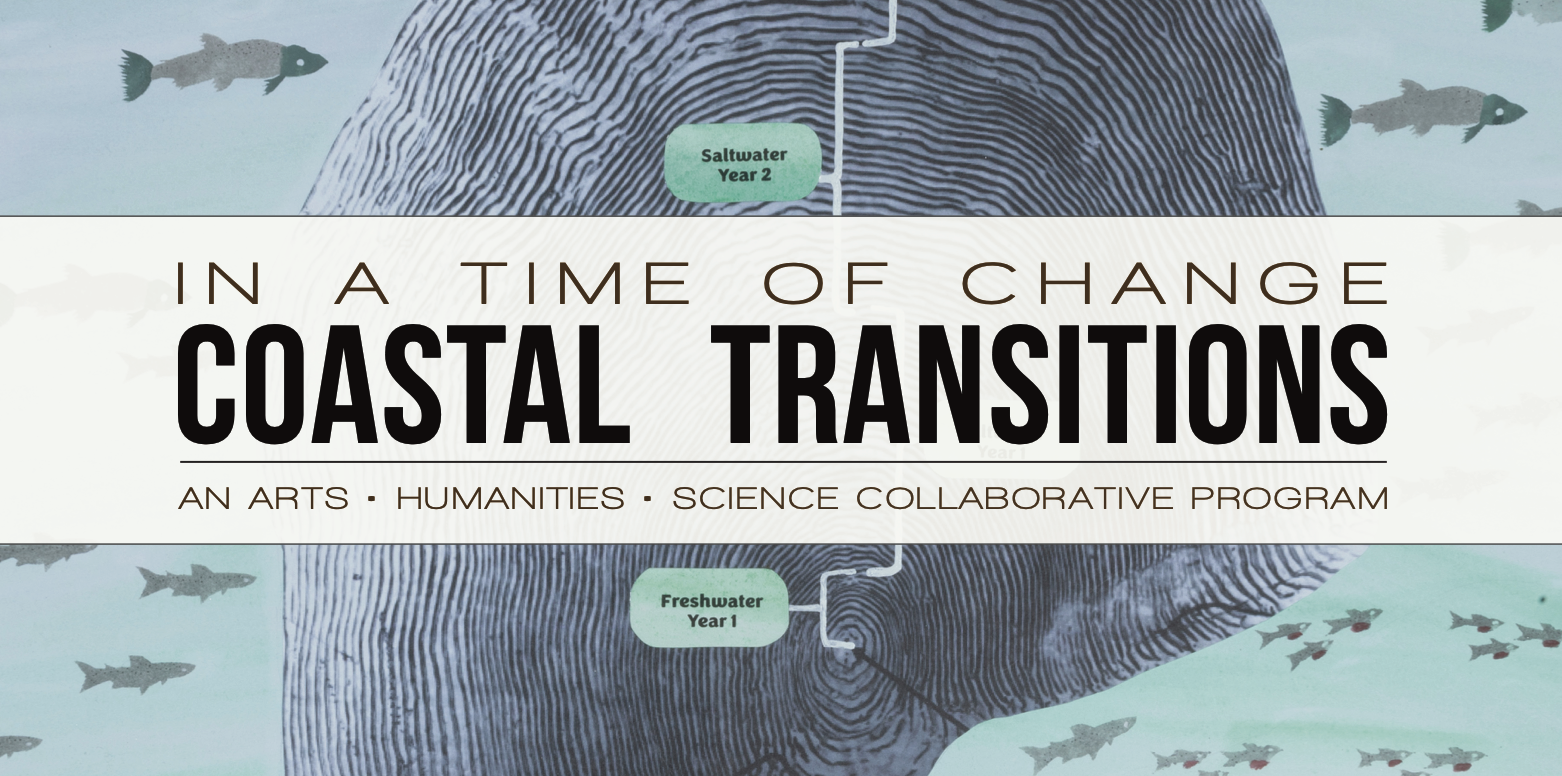
“Circuli” by Oralee Nudson |
Coastal Transitions is an art-science collaboration between the environmental arts-humanities-science program In a Time of Change (ITOC) and the Alaska NSF EPSCoR research project, Interface of Change (IoC).
Over the course of two years, artists-in-residence will work with scientists and communities to investigate coastal dynamics, maritime livelihoods, and social-ecological well-being in the Gulf of Alaska region.
This art-science collaboration will culminate in a traveling exhibition of new artwork that reflects the dynamics of change in coastal Alaska. Learn more here, or click the button below to apply. The application deadline is August 29.
|
|
|
Take a break with our favorite reads this week |
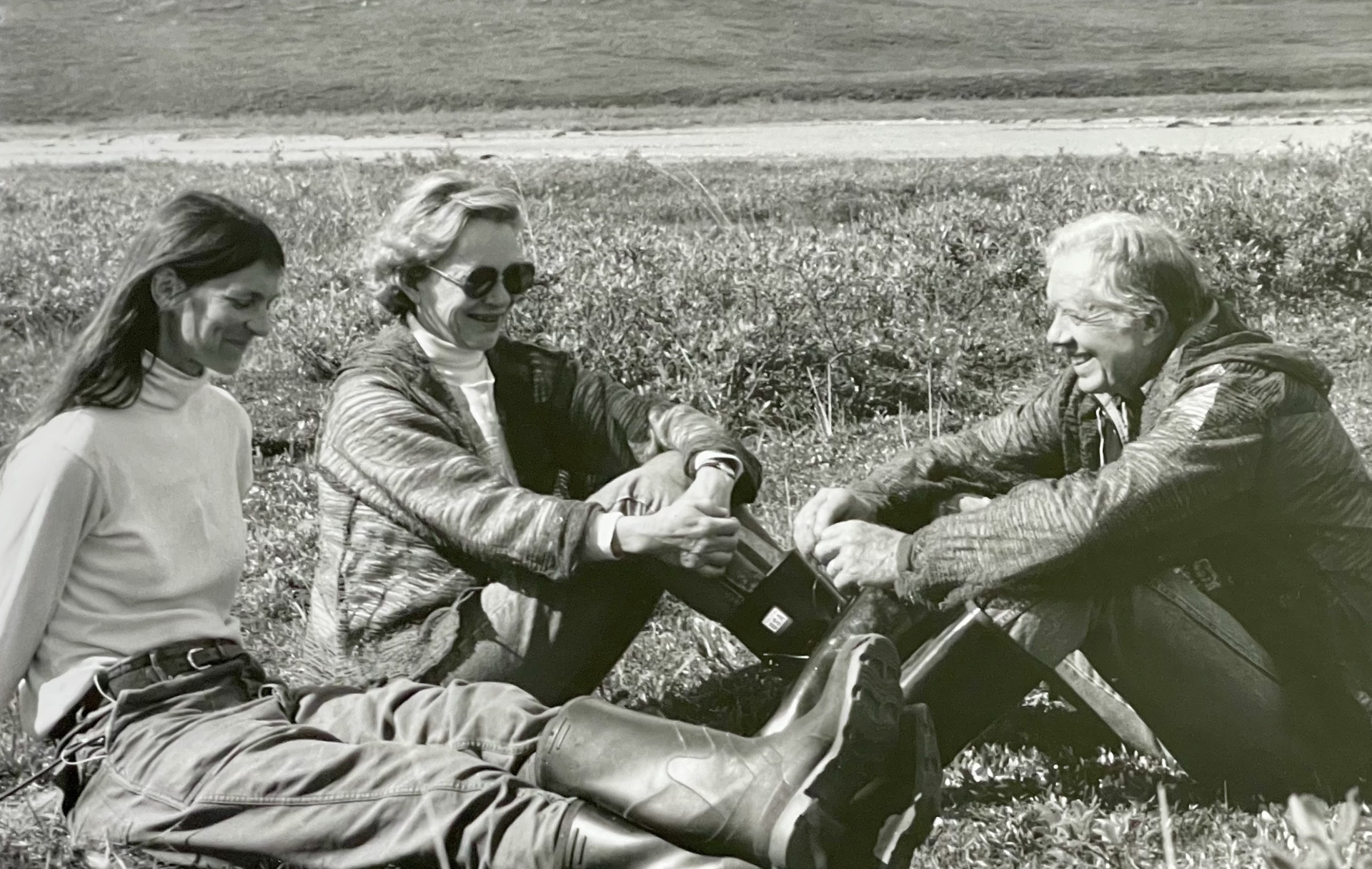
Debbie Miller sits along the Okpilak River with First Lady Rosalynn Carter and President Jimmy Carter in the Arctic National Wildlife Refuge in 1990. (Photo courtesy of Debbie Miller) |
Scientists say a tiny brown moth navigates 600 miles using stars
CNN's Jacopo Prisco writes about how bogong moths looking to escape the Australian heat travel in a nighttime migration in a way only humans and migratory birds have been known to do. Eric Warrant, head of the Division of Sensory Biology at Lund University in Sweden, is quoted in the article saying, "It is an act of true navigation. They’re able to use the stars as a compass to find a specific geographic direction to navigate, and this is a first for invertebrates.” |
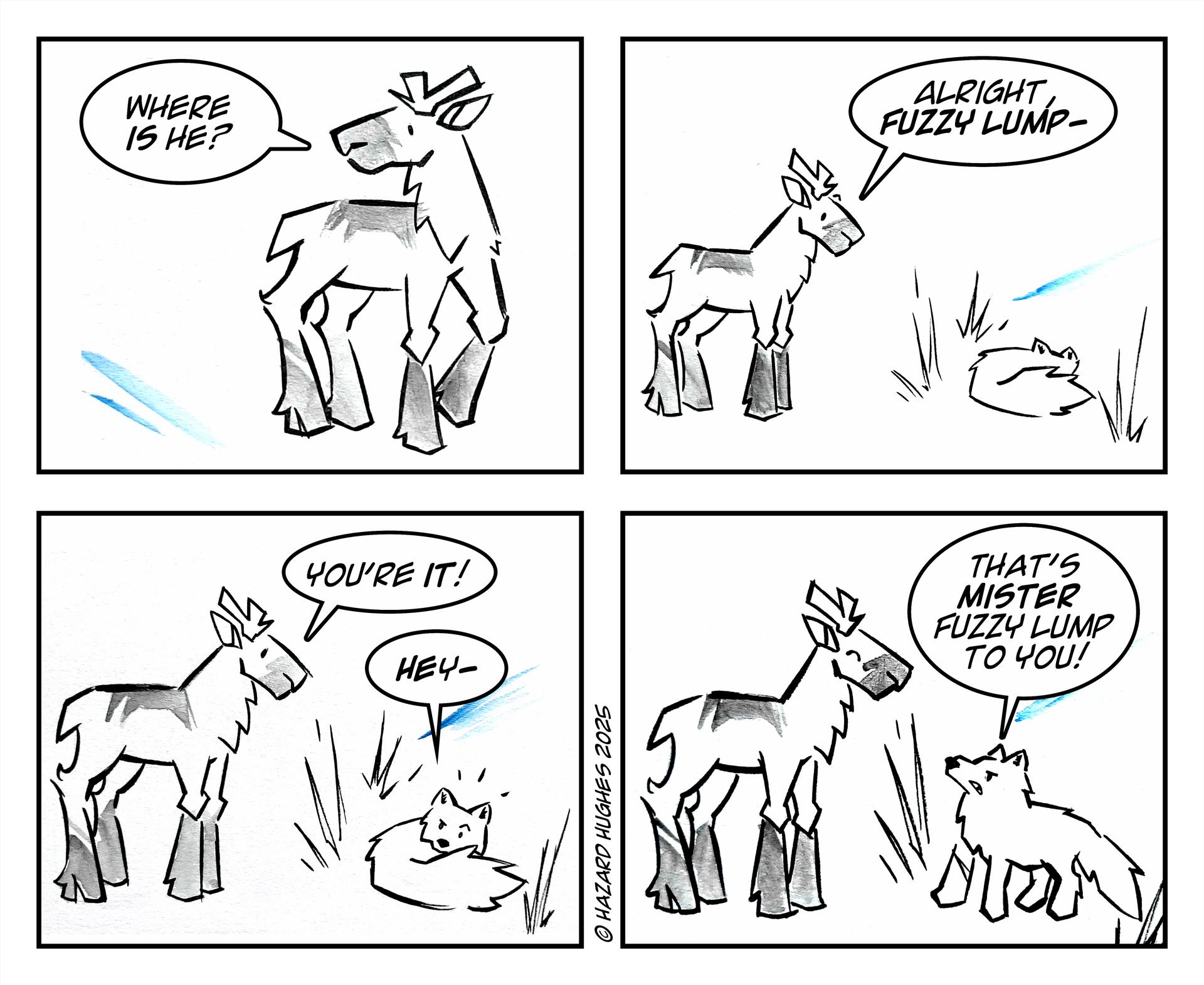
The latest from Hazard Hughes |
-
Run for the Refuge, sponsored this year by Earthjustice, is our annual event supporting Arctic advocacy and it's just around the corner! As this event approaches thirty years, we are eager to know more about its original supporters—what is it about the Arctic National Wildlife Refuge that continues to draw you in and what stories do you have?
Read more here and remember that registration opens July 1!
|
|
|
MISSION The Northern Alaska Environmental Center promotes conservation of the environment and sustainable resource stewardship in Interior and Arctic Alaska through education and advocacy. |
|
|
Our Contact Information *{{Organization Name}}*
*{{Organization Address}}* *{{Organization Phone}}* *{{Organization Website}}* *{{Unsubscribe}}* |
|
|
|